

Services
From the radio network to useful data
We design and manage radio networks for the IoT, we look after the supervision of your plants and we test the devices: a single point of contact for sensor communication and actuator control.
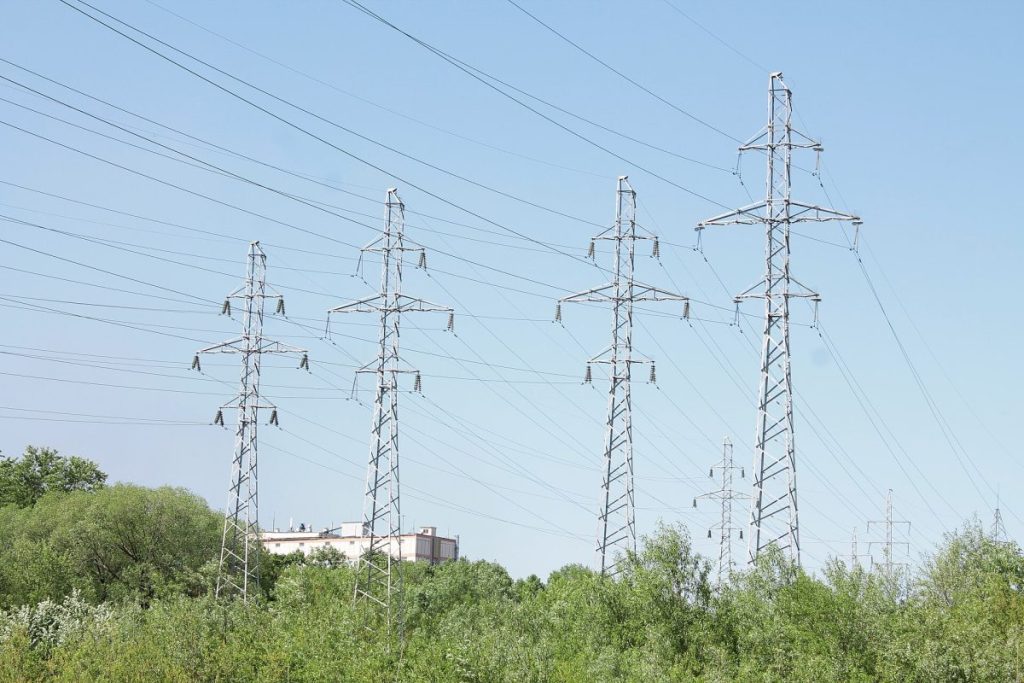
Service areas
Three areas, a single chain
From radio network design to device testing: NetSpeak covers the stages that carry field data through to the control room, with no handovers between different suppliers.
Radio networks
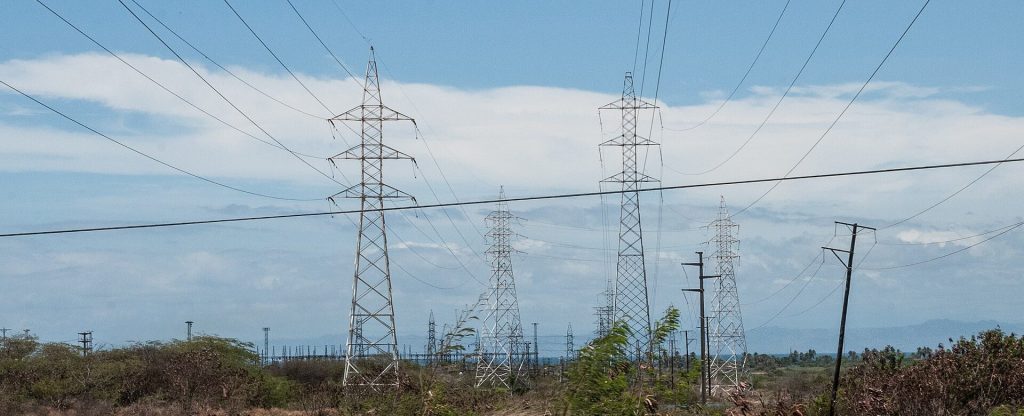
Design, installation and maintenance of dedicated radio networks, with communication of up to 10 km between field devices and supervision. It is the choice that avoids laying cables over long distances or through areas where digging is not possible.

Monitoring and telemetry
The intelligent network is followed constantly by dedicated web servers. Sensor measurements become a history that can be consulted and every deviation from expected behaviour produces an alert, with immediate response to anomalies and emergencies.
Testing and trials
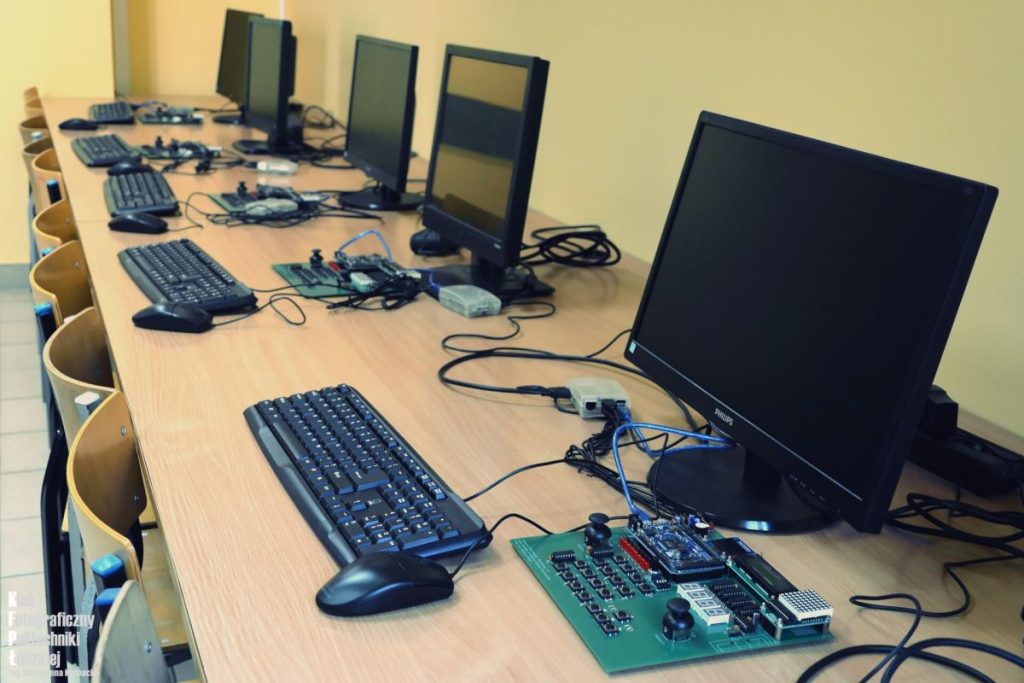
Testing of IoT and electronic items subject to thermal and vibration stress and other extreme conditions. A device destined for the field is put to the test before installation, when correcting it still costs little.
The starting point
Why we start from communication
A plant produces data at many different points: a machine at the far end of the warehouse, a tank outdoors, a panel in a technical room, a building separate from the headquarters. The first problem to solve is not collecting the data, but getting it where it is read.
When the measurement points are close together and the path is already cabled, a wired connection remains the simplest solution. When instead distances grow, the ground is not workable or the installation has to be quick, a radio link removes much of the civil engineering work and reduces the parts subject to wear.
NetSpeak starts here: we look at the site, identify the measurement points and decide how to reach them. Only afterwards do we choose the devices and the shape of the supervision. That way the network is built around the process, not the other way round.
The same reasoning applies to building automation: managing lights, air conditioning and access means bringing together devices of different makes and generations, with a single control layer that makes them readable and controllable.
What a radio network solves
- Coverage of measurement points far from the headquarters, with communication of up to 10 km.
- Installation with no excavation work or ducting along the route.
- Field devices powered and positioned where the measurement is needed.
- Data collected at a single point, comparable with each other.
- Remote control of actuators, without physically reaching the plant.
Industrial automation
A complete range of services
Industrial automation is the context where radio communication makes the difference: distributed plants, isolated machines, processes that require continuous data. NetSpeak follows the project from analysis to commissioning.
Sensors, actuators and supervision are chosen together with the customer, based on the measurement points and the constraints of the installation. There is no configuration that works for everyone: what makes the difference is the context, the distances and what you want to keep under control.
- Analysis of requirements and measurement points.
- Selection of the most suitable devices and configurations.
- Integration with the automation systems already present.
- Commissioning and verification of operation in the field.
- Monitoring and support over time.
Supervision included
Every service relies on the same supervision: a network followed continuously, which does more than just collect data.
- Network constantly monitored
- Servers dedicated web
- Anomalies immediate response
- Actuators remote control
Contexts
Where we work
The same tools take different forms depending on the context: a production department, a residential building and a construction site pose different problems of coverage, power and measurement frequency.
Industry and production processes
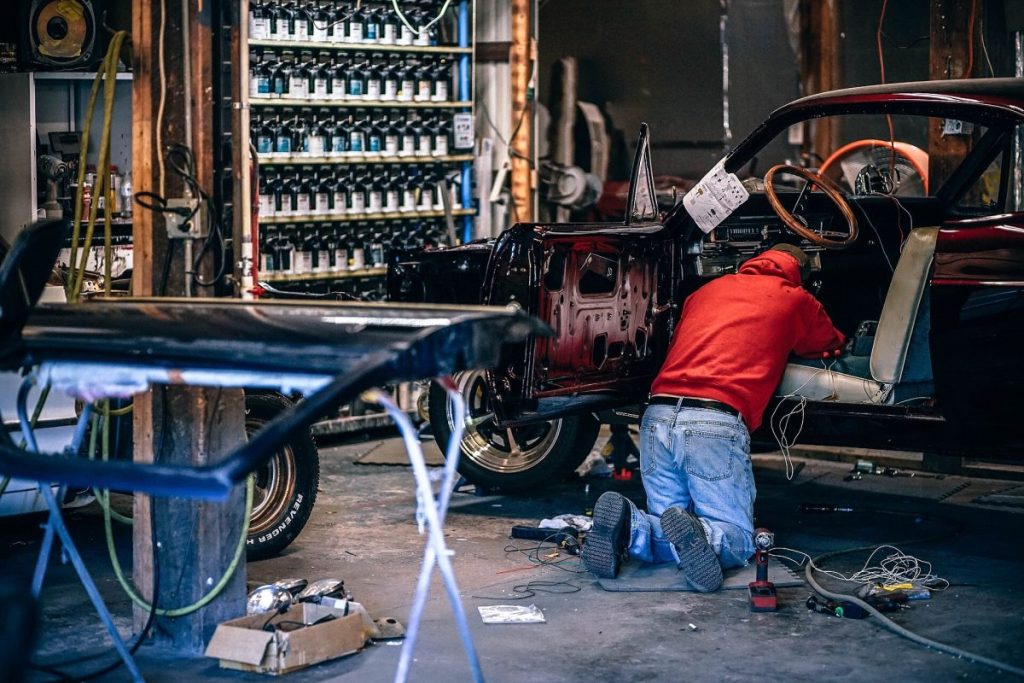
Telemetry of machines, lines and distributed plants. The measurement points follow the process: temperatures, pressures, levels, operating states. Measurements are collected continuously and compared with expected behaviour.
Building automation and buildings
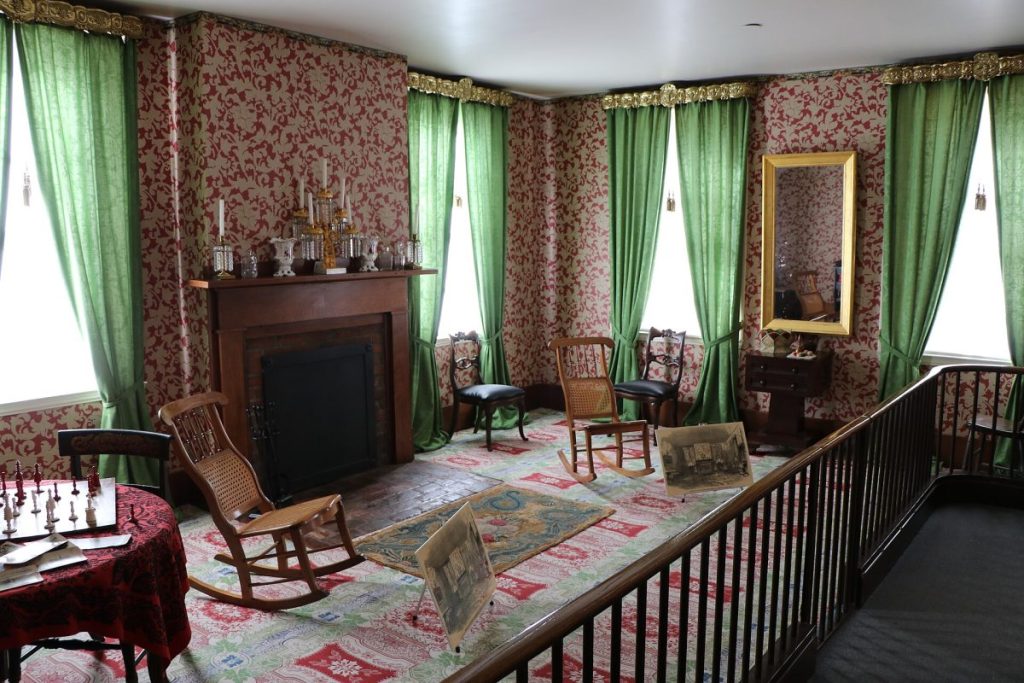
Centralised management of air conditioning, lighting, access and technical systems. Remote actuators make it possible to intervene without reaching the room, and sensors tell you how the building is used.

Distributed sites and offices
Several buildings to keep under a single control layer, even far apart: system consumption, the state of technical rooms, alarms. A single view to understand where to look when something is wrong.
Method
How we work
A five-step path, from site analysis to managing the network over time: every step produces something verifiable before moving on to the next.
- AnalysisWe gather requirements, measurement points and installation constraints: where work is possible, how a device is powered, which distances have to be covered.
- DesignWe define the radio network architecture, the devices and the supervision arrangements, with the list of measurement points and the variables to be followed.
- ImplementationWe install, configure and commission the system, checking the communication of every device with supervision.
- VerificationWe compare the collected data with the expected behaviour of the plant and correct anything that is not aligned before leaving the system in operation.
- ManagementWe follow the network with constant monitoring, intervene on anomalies and support the plant as it changes.
In the field
The work you do not see
Behind a measurement arriving on the platform there is the laying of cables where they are needed, the fixing of devices, the connection tests and the checking of the points one by one. It is the part that determines whether the network holds up over the years.
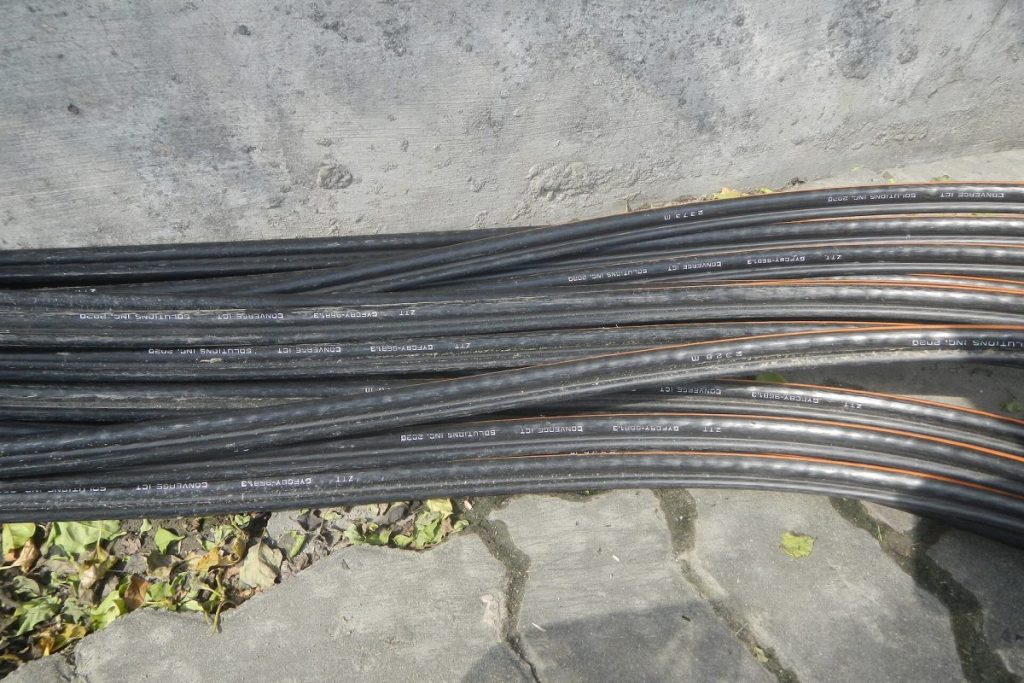
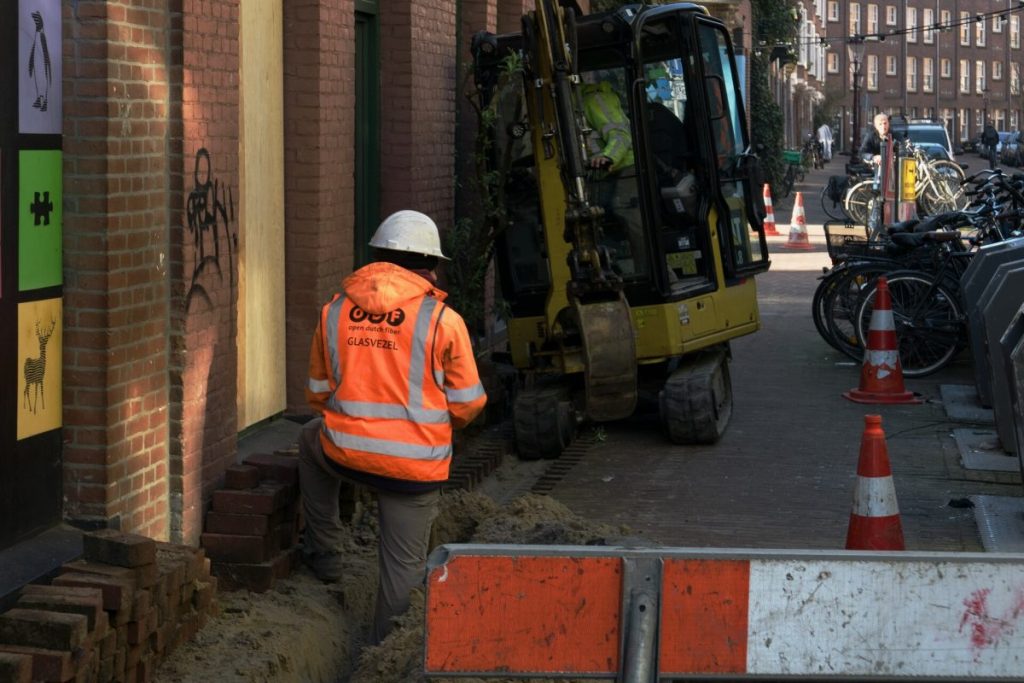
In mixed installations, the radio part covers the long stretches and isolated points, while cabling serves the short stretches and the power supplies. Alternating the two solutions is often the most efficient choice, and it is decided at the design stage.
Frequently asked questions
The questions we are asked most often
Where do we start?
With a list of measurement points and a site visit. A little information is enough: what you want to measure, where it is and who needs to see the data.
Do you need an internet connection on site?
Communication between field devices and supervision is by radio. The outward connection is only needed if the data has to be read from outside the premises, and it is agreed at the design stage.
Can you start from a plant that already exists?
Yes. In most cases the network is added to a plant that is already working: existing sensors and actuators are integrated without rebuilding what works.
What happens after installation?
The network stays under constant monitoring. When something deviates from expected behaviour an alert arrives, so intervention happens before the problem turns into a stoppage.
Let’s talk about your plant
Describe the process to be monitored and the measurement points: we will propose the configuration best suited to your needs.