

Products
Remotely controllable actuators
With NetSpeak actuators, the control elements of the plant are activated remotely, with the ease of a command sent from the web platform.
From the platform
sending commands
10 km
radio range
Outcome
visible on the platform
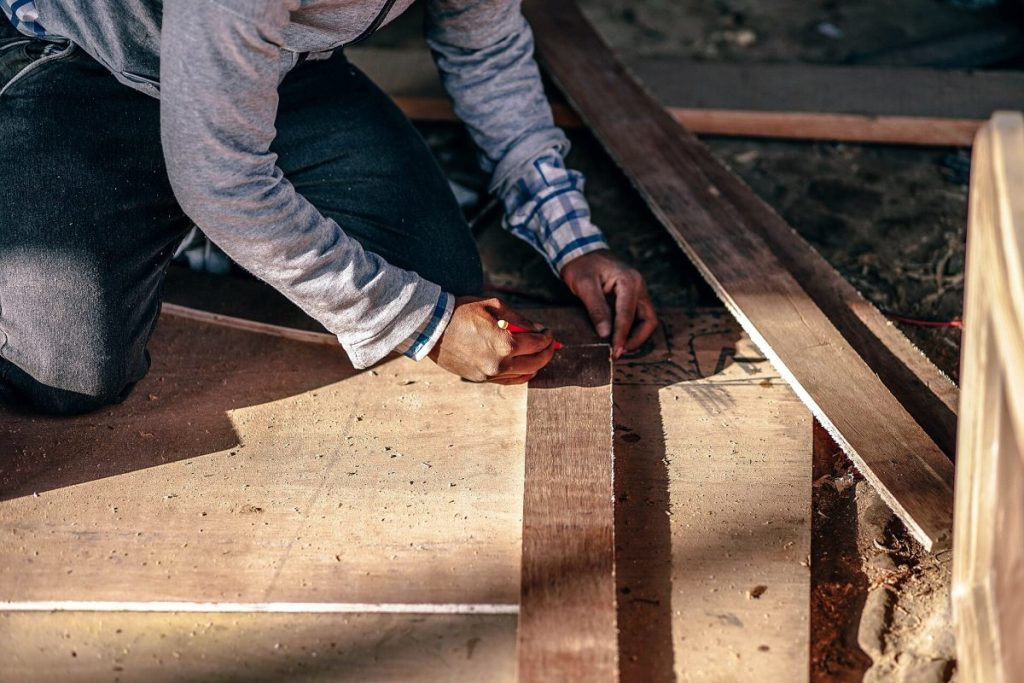
Remote control
Acting on the plant without reaching it
Measuring is not enough: when action is needed, the plant has to respond. Actuators connected to the radio network receive the command from the platform and carry it out on site, even if the site is kilometres from the control centre.
Immediate command
Activation starts from the supervision platform and reaches the field device over the same radio network as the sensors.
Ease of use
A single environment for consulting measurements and sending commands: no local software to install on the control workstations.
Confirmation of the action
The status of the device remains visible on the platform, so you know whether the command has been carried out.
How it works
The journey of a command
A remote command is useful only if you know that it arrived and what it produced. The path is therefore always the same, from the operator’s intention to the confirmation that the control element has moved.
- RequestThe operator sends the command from the platform, choosing the device and the action to be carried out.
- TransmissionThe command travels over the radio network to the field node, using the same infrastructure that carries the sensor measurements upwards.
- ExecutionThe node drives the output connected to the control element of the plant.
- ConfirmationThe state of the output returns to the platform: whoever sent the command can see whether the action has been carried out.
- RecordThe action is recorded together with the measurements, and helps reconstruct the sequence of events when analysing an anomaly.
Integration
Alongside what you already have
Actuators can be added to existing plants, in industry and in building management, without requiring the present infrastructure to be replaced.
- Installation on plants already in operation.
- Commands managed by the same platform that collects the measurements.
- Addition of new control points without redesigning the network.
- Continuous supervision: an unreachable actuator is reported.
Control elements
What they act on
The actuator does not decide: it executes. That is why the most important work is understanding which control element of the plant has to respond and with what logic, before connecting it to the network.

Panels and interfaces
The command connects to the panels and interfaces already present, without replacing the plant’s control system.
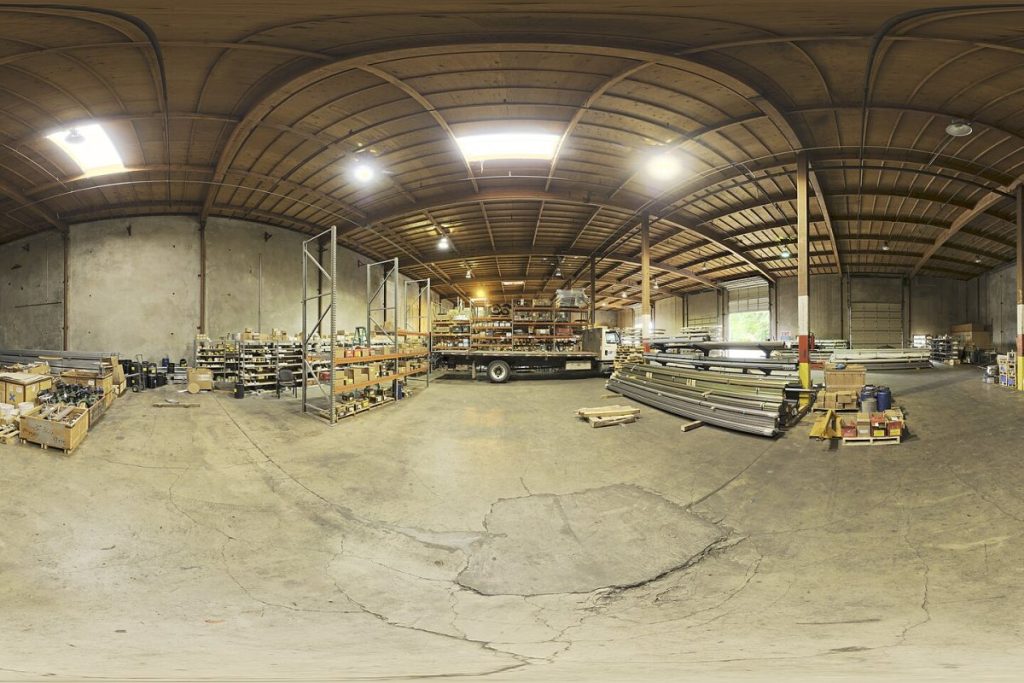
Process elements
Valves, dampers and mechanical actuators on lines and piping: remote action avoids having to reach the installation point for every operation.
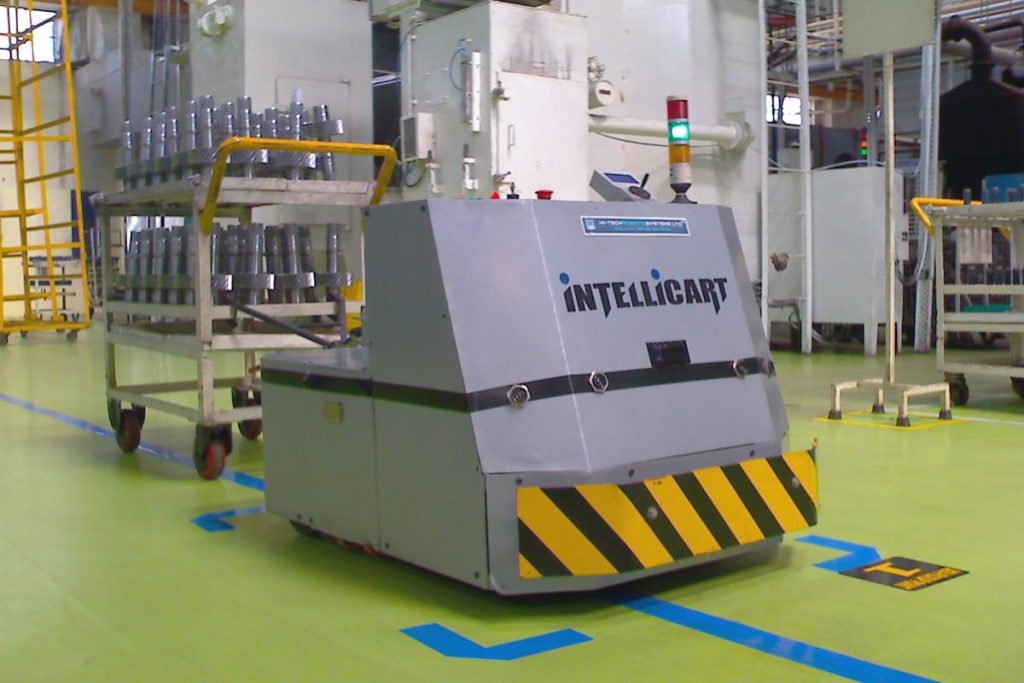
Handling
In industrial automation the remote command is incorporated into the handling cycles already present, coordinating the vehicles with the rest of the plant.
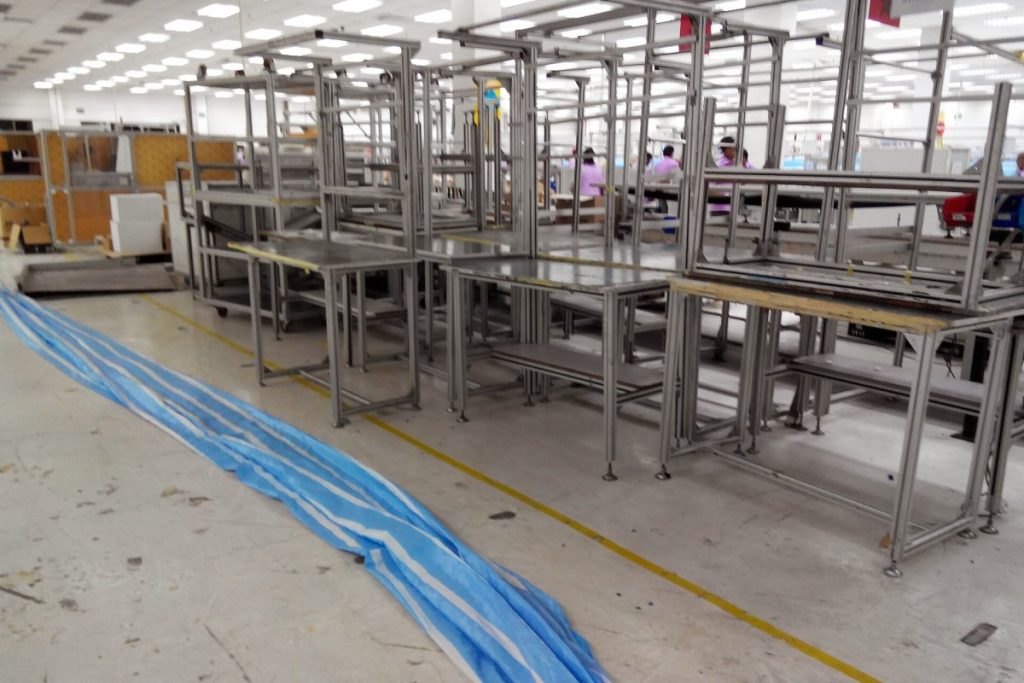
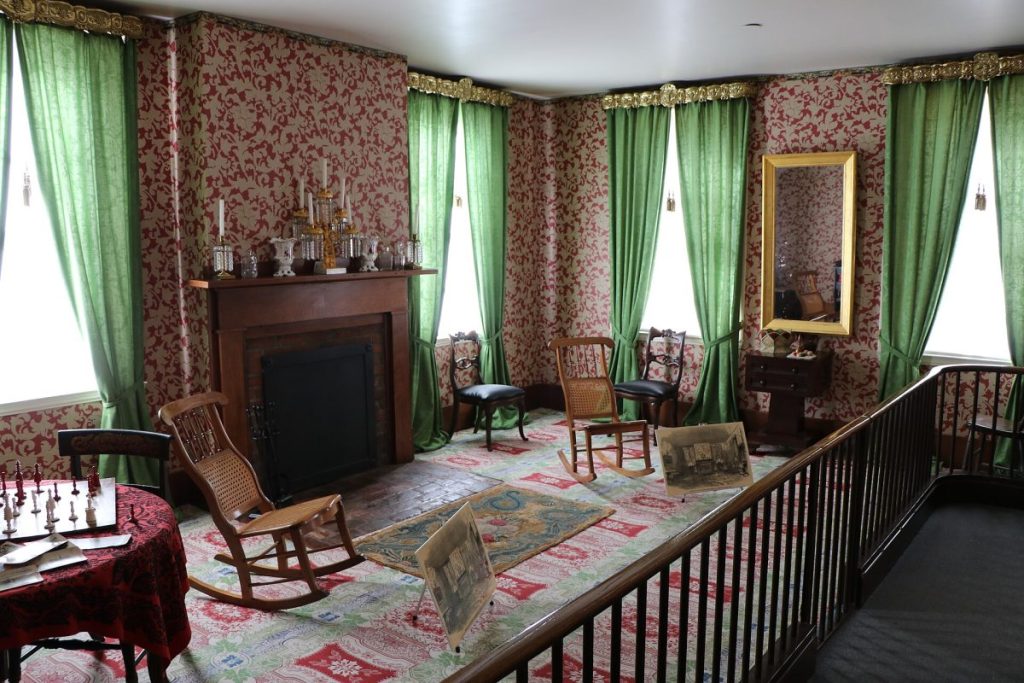
In a department and in buildings the principle stays the same: the elements to be driven change, not the way the command arrives and is confirmed.
Applications
Where actuators are needed
Industrial processes
Driving control elements in departments far from the control station.
Industrial automation
Remote commands incorporated into the automation cycles already present in the factory.
Building automation and buildings
Management of building systems, with activations controlled from a single point.
Command control
Knowing what happened
When controlling remotely, verification matters as much as the command. The platform gathers the device status and the measurements linked to the action, so the outcome does not depend on a phone call to whoever is on site.
Output status
Every control output has a visible status: requested, executed or not executed. It is the information that tells you whether the action succeeded.
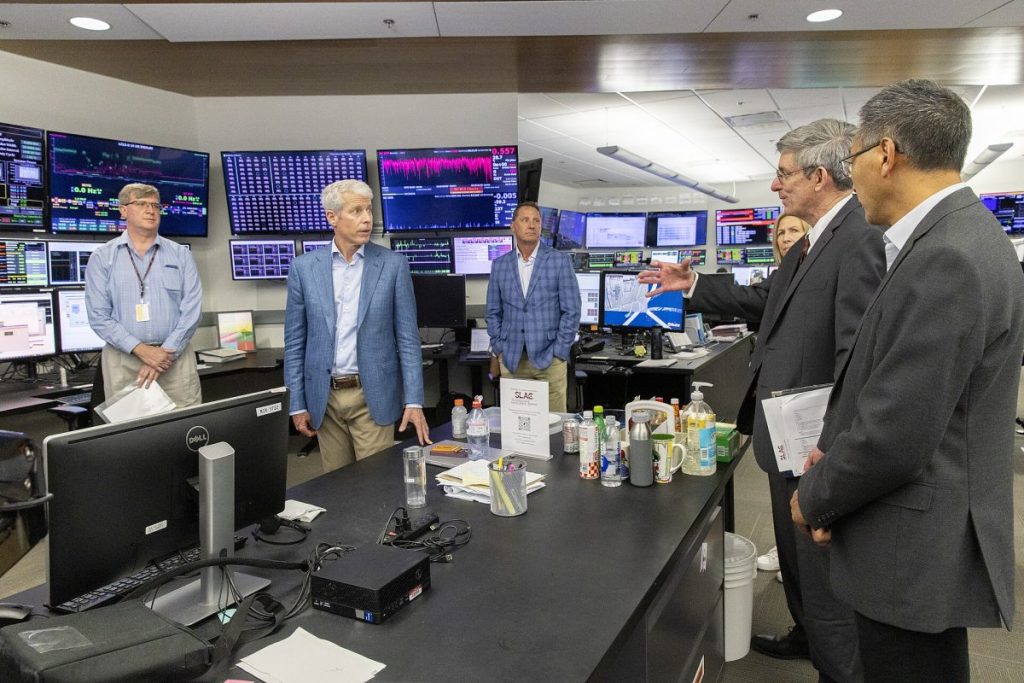
Action log
Actions are recorded alongside the measurements: the sequence between command and plant reaction can be reconstructed.
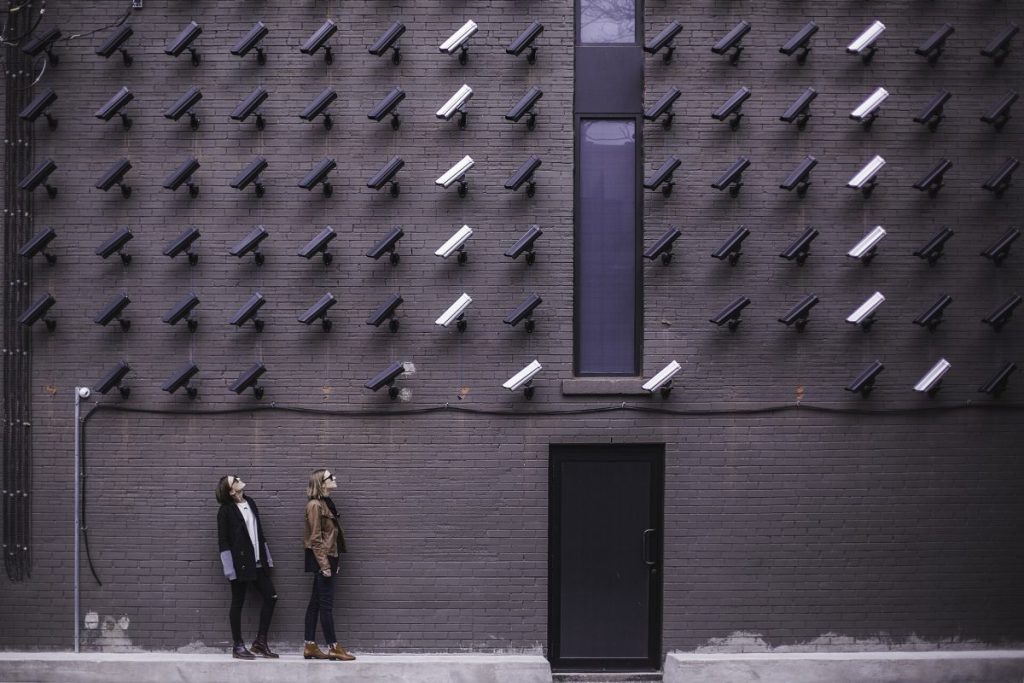
Visual check
Where visual confirmation is also needed, the remote command works alongside video surveillance of the installation point, without having to be present on site.
Frequently asked questions
Questions about the actuators
What can be controlled remotely?
The control elements of the plant that accept an on/off action or a command through an interface: valves, dampers, process elements, as well as the commands incorporated into the automation cycles already present. During the analysis phase we work out together which points make sense to control remotely.
What happens if the link is unavailable?
The command is not considered executed: the platform reports that the device did not respond and the operator knows the action is still pending. This is the best condition for deciding whether to repeat the command or intervene in another way.
Does remote control replace the plant’s logic?
No. Remote control works alongside the control already present: it adds the ability to act without reaching the point and to observe the effect of the action, without taking away the plant’s safety functions.
Can more control points be added later?
Yes: the control output joins the same network as the node it is connected to and the platform sees it like the others. Adding a command does not require changing the configuration of the points already active.
Which commands do you want to actuate remotely?
List the actions that today require an on-site intervention: we will propose the most suitable control solution.