

Services · Monitoring
Monitoring and telemetry
The intelligent network is followed constantly by dedicated web servers: an anomaly becomes a prompt alert, not a sudden breakdown.
Supervision
Constant control of the network
The value of an IoT network lies not only in transmitting measurements, but in knowing immediately when something is not working as expected. Supervision collects the data from the field devices and keeps it under control, without anyone having to go and read it on site.
Monitoring answers three questions: is the plant working as it should? Are all the devices reachable? Is anything changing that deserves attention? Answering these questions continuously is what distinguishes a sensor network from a plant that is genuinely managed.
That is why collecting measurements is never an end in itself. Every variable followed has an expected behaviour range and a link to whoever intervenes: when the value leaves that range, the chain is activated.
- Network surveillance continuous
- Anomalies immediate alerting
- Emergencies prompt response
- Measurements collected history available for consultation
The path of the data
From the field to the platform
Telemetry is a chain: if one link fails, the data does not arrive, or arrives wrong. These are the steps that make it up.
- MeasurementThe sensor detects the variable: temperature, pressure, level, the state of a contact, presence.
- TransmissionThe device sends the reading to the radio network, according to the configuration agreed at the design stage.
- CollectionSupervision receives the data, checks that it arrives complete and associates it with the correct measurement point.
- ComparisonEvery value is compared with the expected behaviour of the plant and with the history of the same point.
- AlertingIf a deviation emerges, the alert reaches whoever has to assess it, indicating the point and the variable concerned.
On the platform
What you keep under control
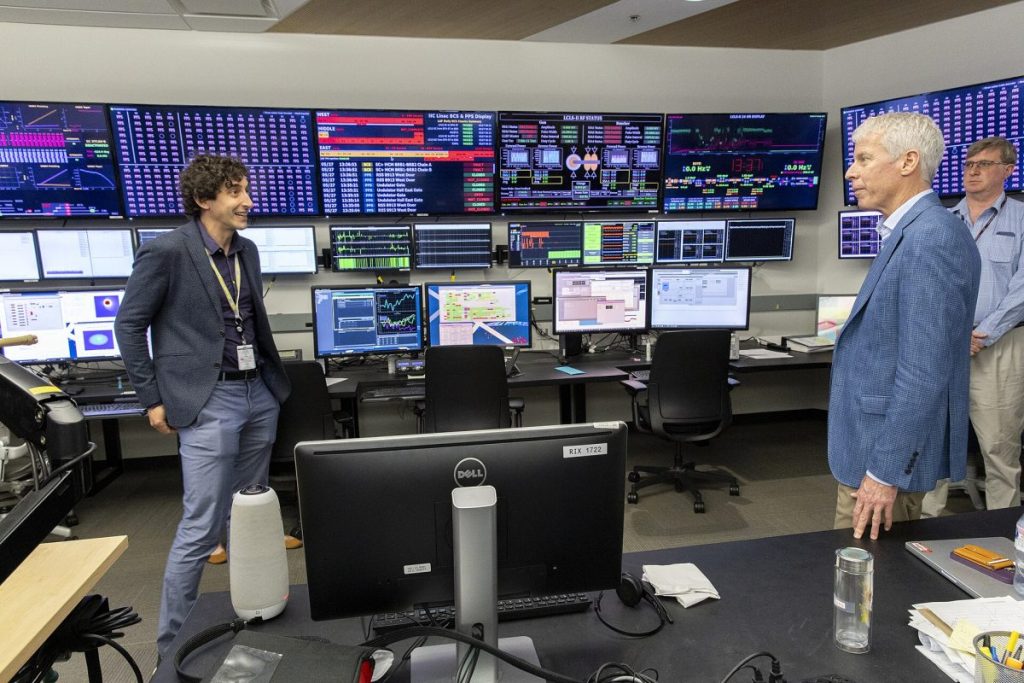
The information from the network is gathered in a single place: device status, sensor measurements and alerts. All in the same place, organised by plant.
Device status
Which nodes are active and reachable from the supervision network, measurement point by measurement point. A device that stops responding is the first thing to look at.
Sensor values
The measurements collected by the field sensors, organised by plant and by variable controlled, so that the state of a department or a building can be read at a glance.
Measurement history
The data remains available over time: different periods are compared, the trends of a plant are read and the effect of a change is verified.
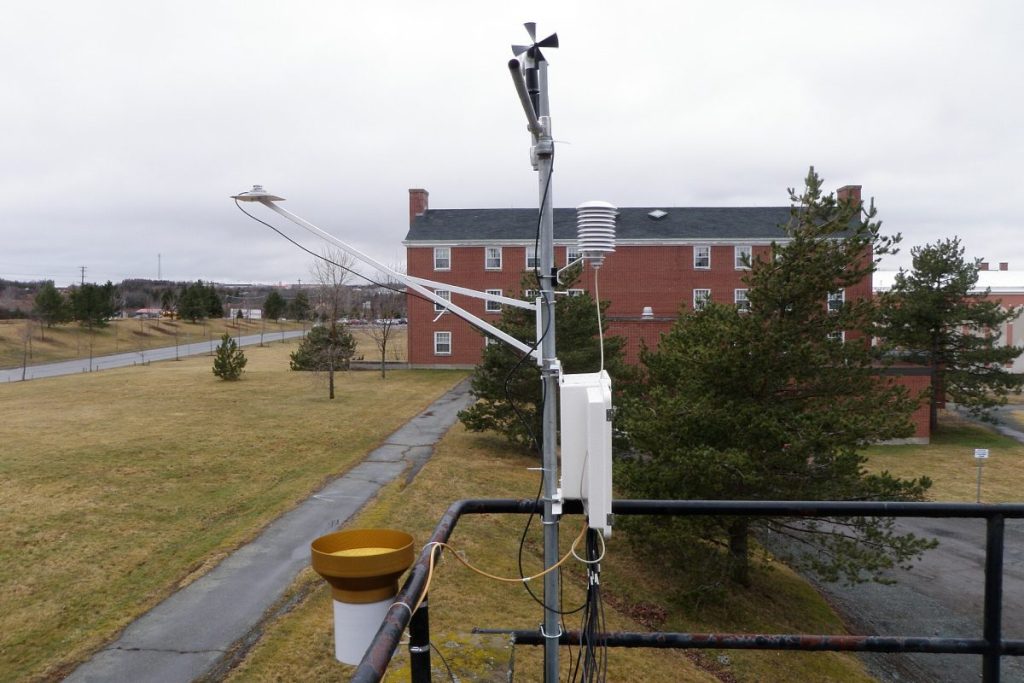
Prompt alerts
When a measurement goes outside expected behaviour, the alert reaches whoever has to intervene, indicating the point and the variable concerned.
Anomalies and emergencies
Monitoring does not stop at recording: it serves to react quickly when the situation requires it. An anomaly followed up in good time remains a data point; ignored, it becomes a stoppage.
- Deviation from the expected value.
- Device unreachable.
- Absence of communication for an unusually long period.
- Need for immediate intervention on the plant.
Variables followed
What is measured
The type of variable depends on what you want to protect: process quality, environmental conditions, system continuity.
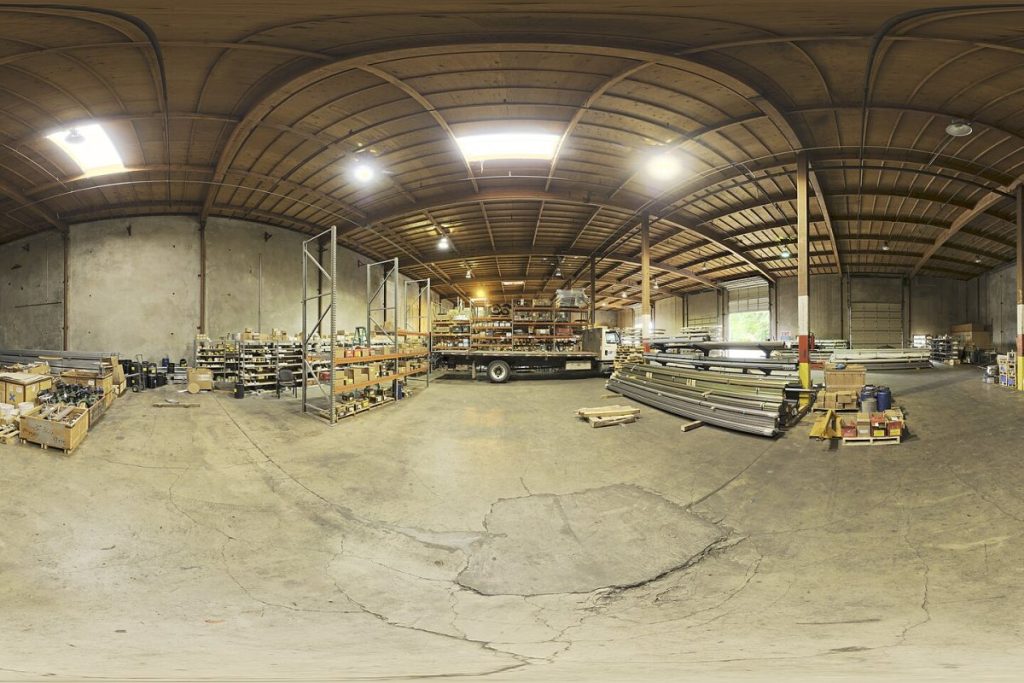
Process and systems
Temperatures, pressures, levels and flow rates of the process circuits. The variables that tell you whether the plant is working under the expected conditions.
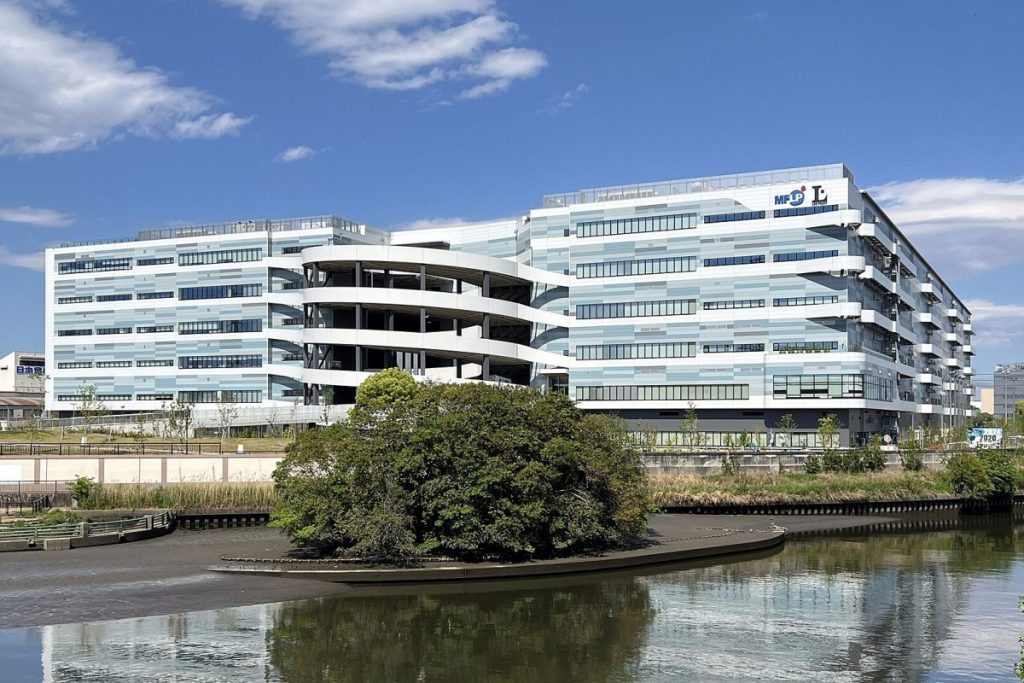
Environments and rooms
Internal conditions of warehouses, cold rooms and technical rooms, where control of temperature and humidity affects the preservation of what is stored.
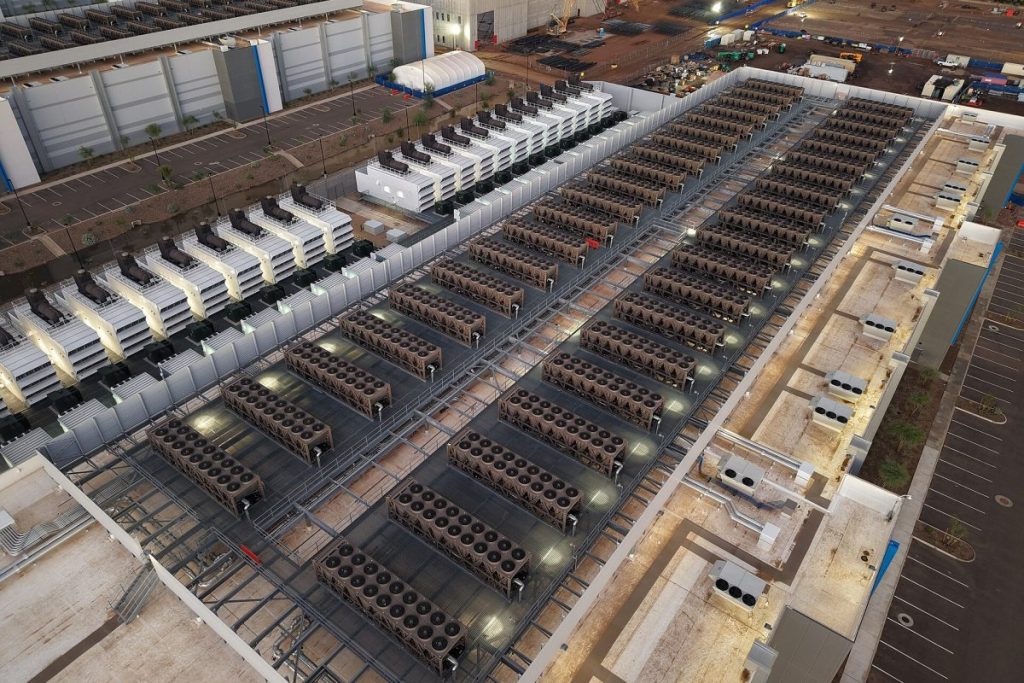
System continuity
Status and operation of the systems that power and serve the site, followed over time to identify critical situations in advance.
Where the system runs
The centre of the network
The web servers dedicated to supervision are the part of the network you do not see from the field, but they are what makes it possible to consult the data and receive alerts.
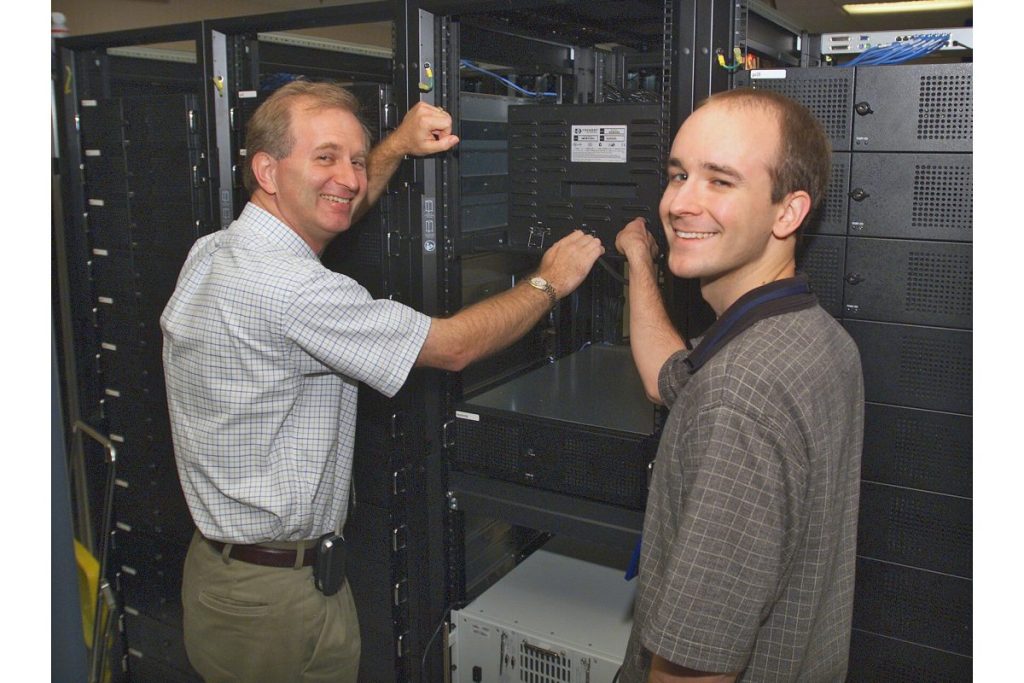
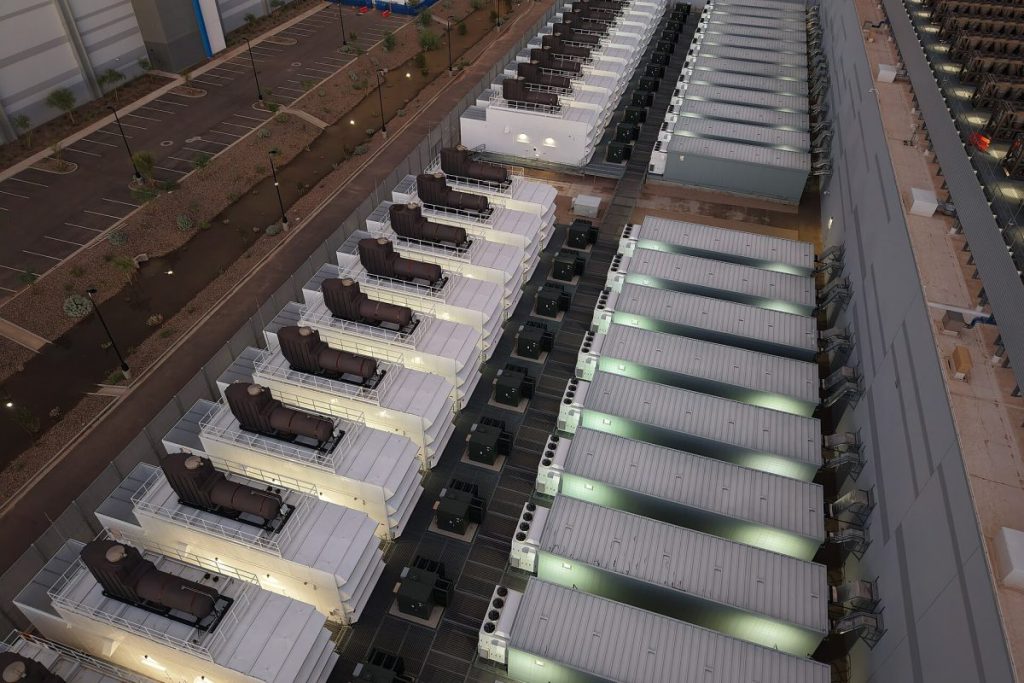
The configuration of supervision is defined together with the customer: which variables to keep in view, which thresholds generate an alert, who receives the alerts and in what order of priority. These are operational choices, and they change the way the network is used every day.
From measurement to action
From measurement to intervention
- DetectionThe sensors transmit the measurements to the radio network.
- VerificationSupervision compares the collected values and identifies abnormal situations.
- AlertingThe anomaly or emergency is communicated to whoever has to intervene.
- ActionThe plant is operated or the remote actuators are activated.
- FeedbackAfter the intervention, you check that the measurement has returned to expected behaviour, and the record stays in the history.
Frequently asked questions
Questions about monitoring
Do you need staff watching the data all day?
No. Supervision works on its own: it checks the values, compares them and generates the alerts. People intervene when an alert arrives, not to watch a screen.
Can the data be consulted from outside the premises?
Yes, when needed: remote consultation is a design choice and concerns those who have to see the data without being at the company.
How much history is available?
The history is part of supervision and is agreed based on how many variables are followed and how far back you want to look. It is one of the elements defined together with the customer.
Does it integrate with what we already use?
Supervision works alongside the tools already present in the company. Existing sensors and actuators are integrated where possible, without rebuilding what works.
Your network under control
We show you how the measurements from your sensors are collected and how the alerts are handled.