

Products
Devices and infrastructure for IoT communication
NetSpeak supplies IoT devices that communicate over advanced radio signals at distances of up to 10 km, sensors for precise plant monitoring and actuators that can be controlled remotely, with an intelligent network supervised by dedicated web servers.
10 km
radio range
Sensors and actuators
on a single network
Continuous
supervision
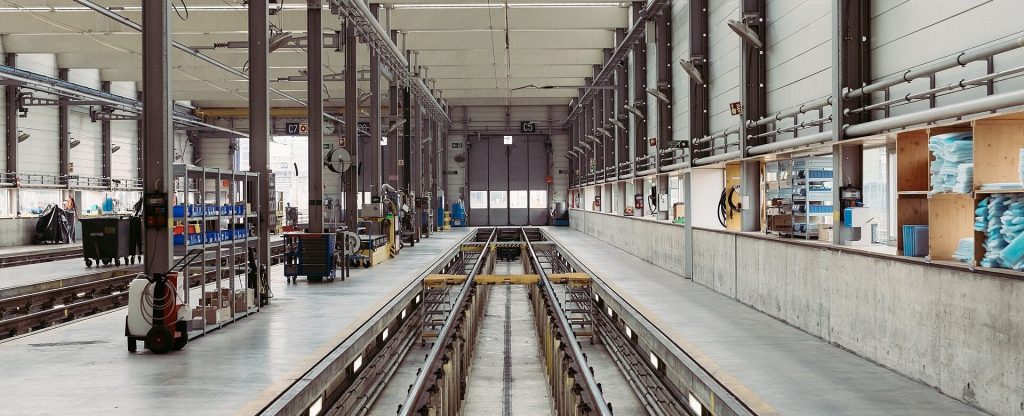
Product families
Three components, one network
Every system comes from the combination of radio devices, sensors and actuators. The three product families share the same network and the same management platform, so coverage grows without changing infrastructure.
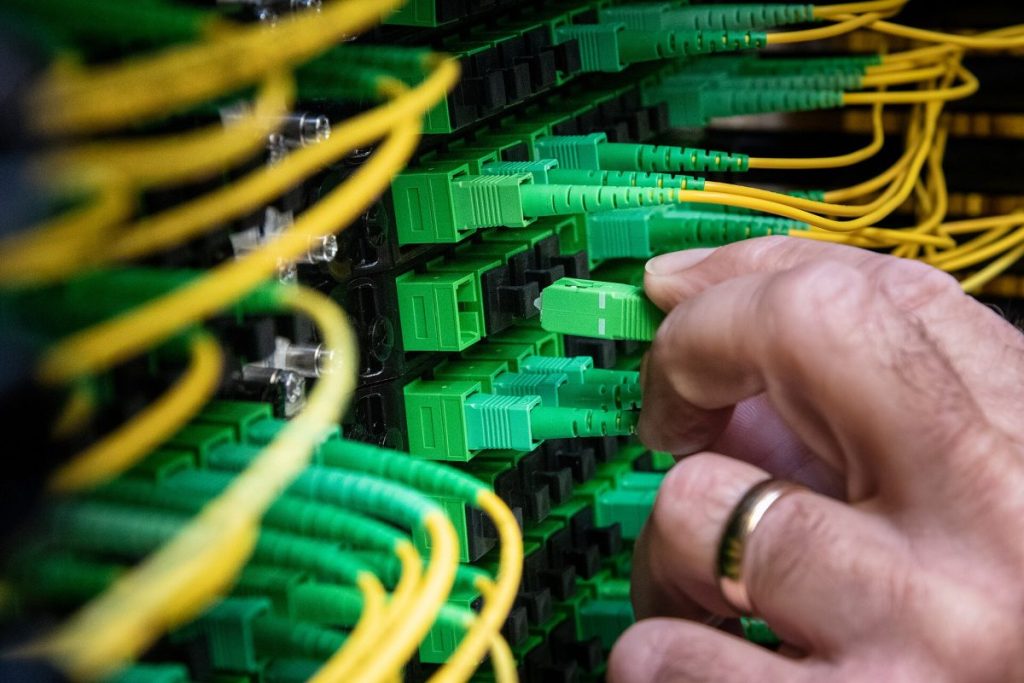
Radio devices
The nodes that transmit and receive field data, with two-way communication and a range of up to 10 km.
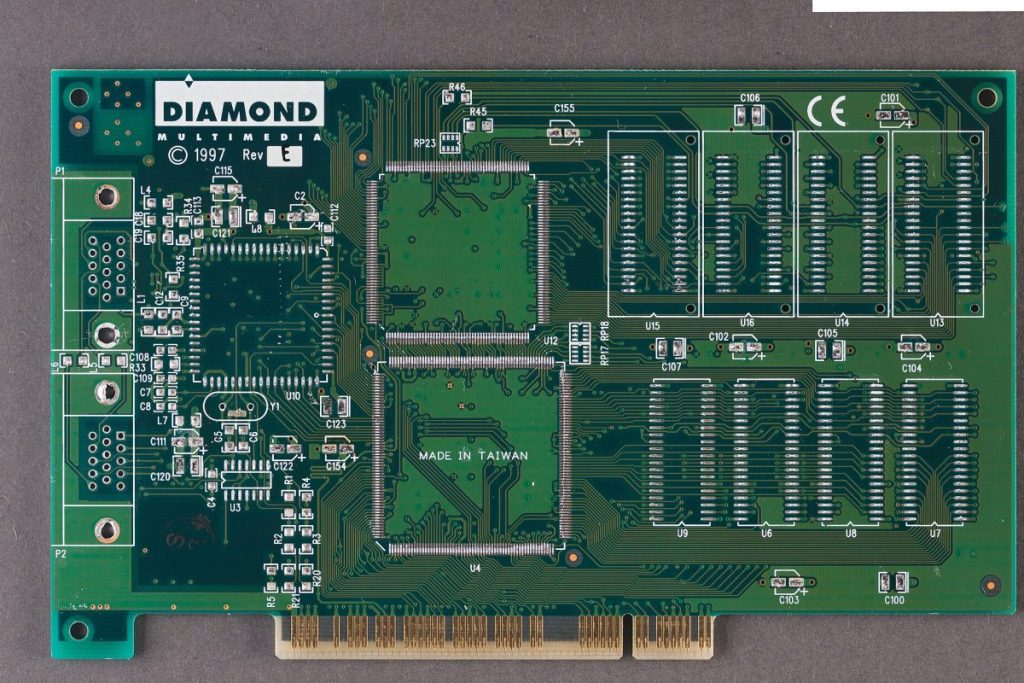
Sensors
Precise measurement of what happens in the plant, transmitted reliably to the supervision platform.
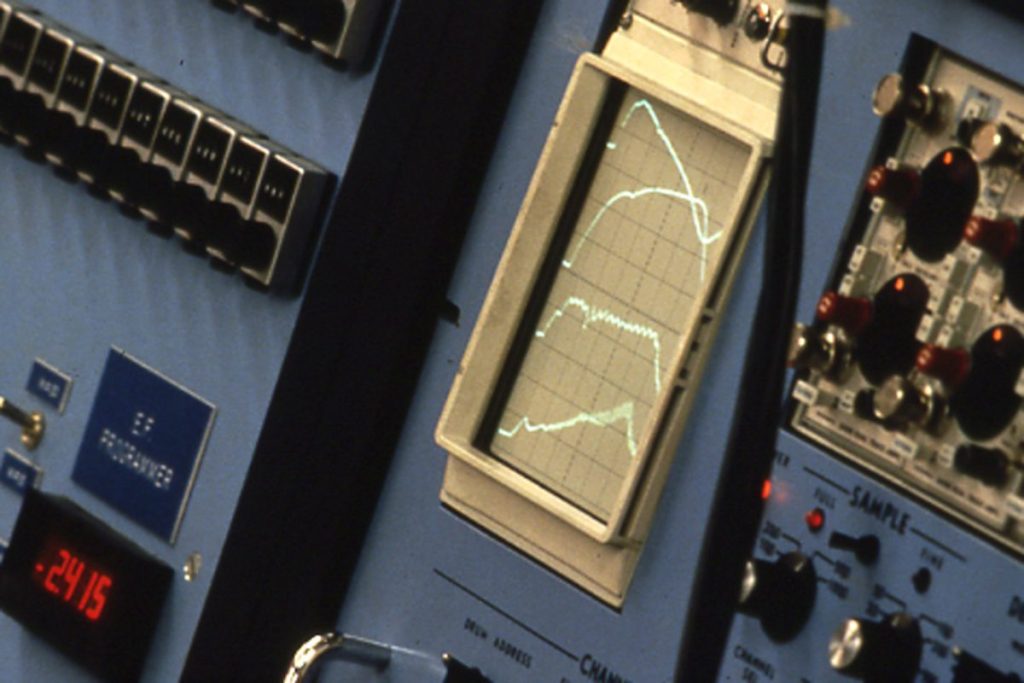
Actuators
Remote action on the control elements, to act on the plant without travelling to the site.
Inside a field node
Radio, measurement collection and control outputs
A node installed in the field brings several functions together at the same point: the unit that connects it to the network, the input for the signals coming from the sensors and the output that drives the control element. For whoever installs it, it is a single item; for the network, it is a communication, measurement and control point in one.
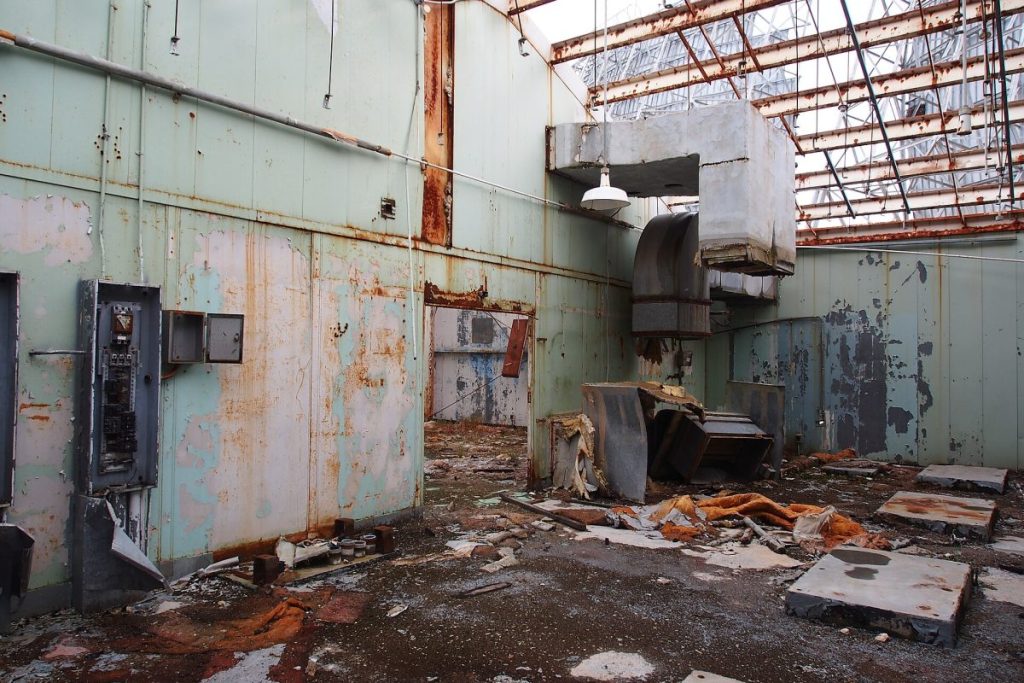
Radio unit
The unit that maintains the link with the rest of the network, with a range of up to 10 km. It is installed where it has a clear path towards the next node or towards the data collection point.
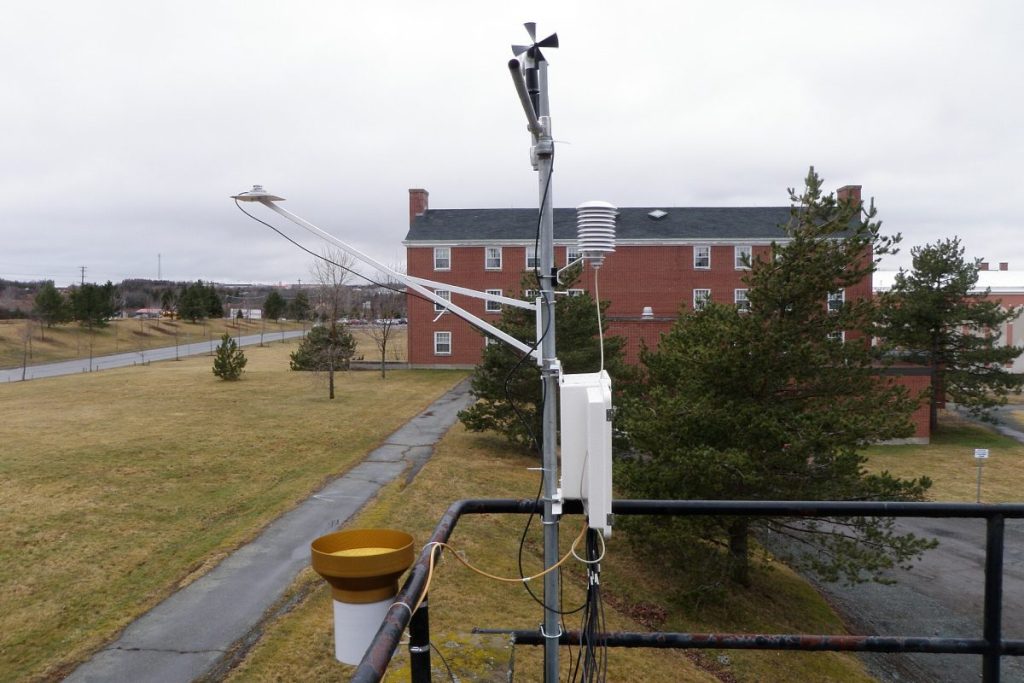
Signal input
The input for the values coming from the sensors: temperature, pressure, the state of mechanical parts, environmental variables. Every measurement is brought onto the platform without intermediate steps.
Control output
The output that drives the control element when the command arrives from the platform. The state of the output remains visible, so you know whether the requested action has been carried out.


The same components work in factories and in buildings: the installation environment changes, not the way the devices talk to each other. A new plant and one already in operation are connected with the same basic elements.
Why a dedicated radio network
Coverage where the plant actually is
Long-range radio communication makes it possible to collect data from points that are kilometres apart, where other technologies do not reach or require additional infrastructure.
- No cabling to lay between the measurement stations and the collection centre.
- Nodes distributed across the territory reached by a single communication network.
- Sensors and actuators live together on the same radio infrastructure.
- Gradual expansion of the plant: measurement points are added without redesigning the network.
Supervision
Dedicated web servers for network control
The intelligent network is constantly monitored by dedicated web servers: operation is checked continuously and anomalies emerge immediately.
Continuous monitoring
The status of devices and communications is kept under observation without interruption, so every change is visible to the platform.
What we monitor
- Device reachability checked continuously
- Radio link quality monitored
- Anomalies and emergencies immediate alerting
- Measurement history available for consultation
Immediate response
When something does not work as expected, the alert arrives immediately and makes it possible to intervene before the problem becomes plant downtime.
The platform
Where data ends up and where commands start from
The values collected by the field nodes are gathered on the web servers dedicated to supervision. It is the same environment from which measurements are consulted, the state of the network is viewed and commands are sent: a single point of access, even from different workstations.
Measurement collection
The data arriving from the radio network is organised and stored, so every variable remains available for consultation even after some time.
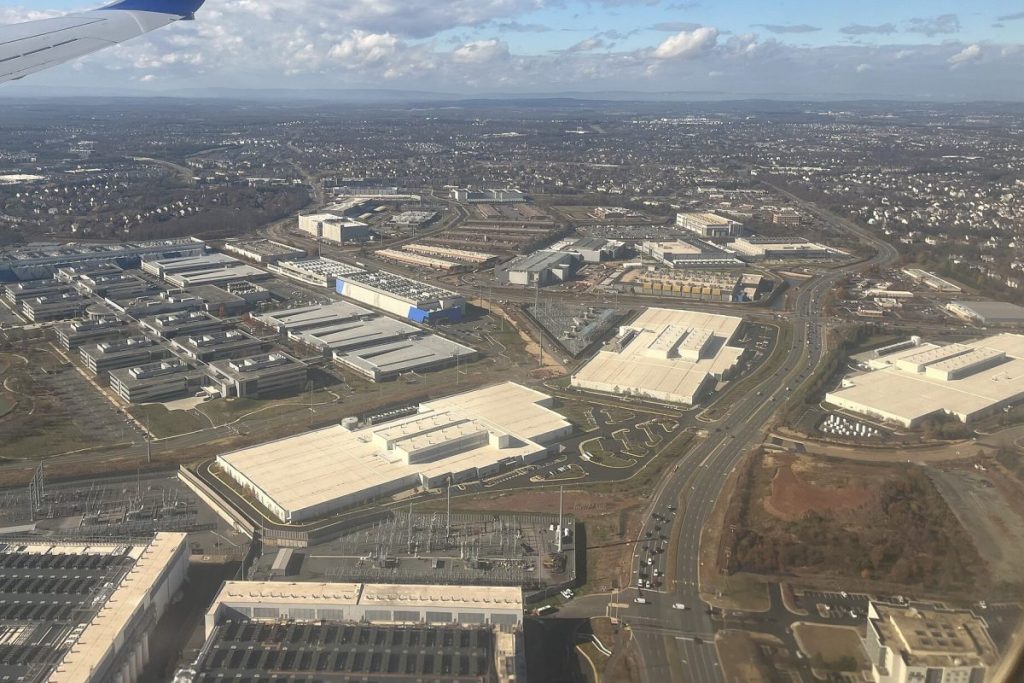
Service continuity
Supervision is designed to stay active: if a node or a link stops responding, this becomes immediately visible instead of going unnoticed.
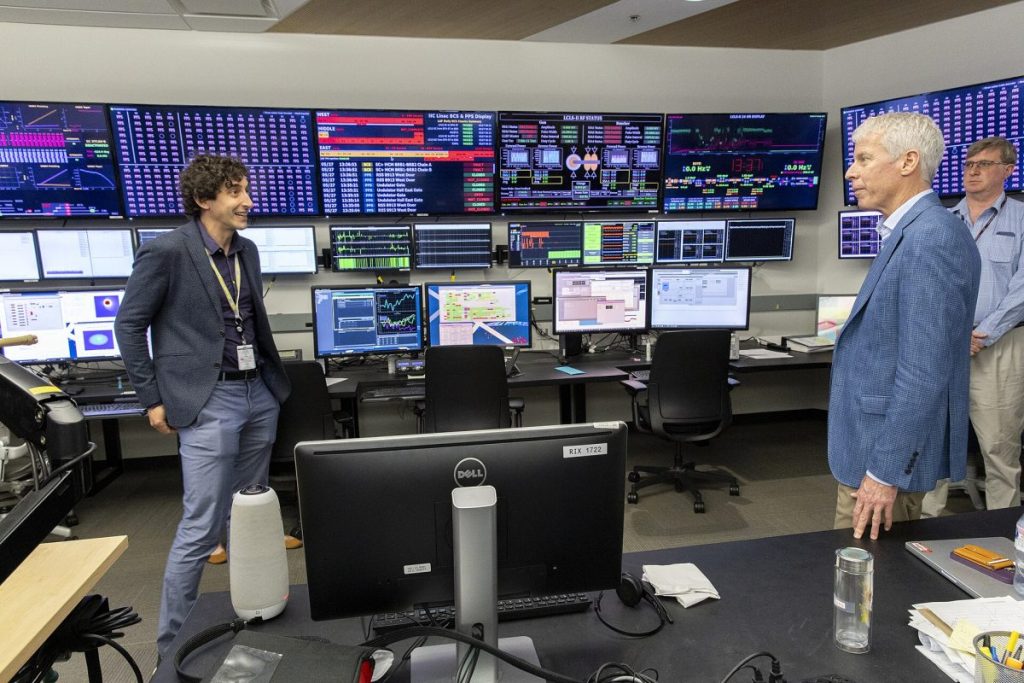
Control workstation
Whoever manages the plant works from a single view: measurements, device status and commands on the same screen.
How we work
From assessment to commissioning
- Needs analysisThe measurement points, the variables to be controlled and the commands to be actuated are identified.
- Device selectionThe network is assembled with radio nodes, sensors and actuators suited to the installation environment.
- CommissioningRadio coverage is verified and the plant is brought onto the platform.
- Operation and supportThe network remains under supervision, with intervention on anomalies and later expansions.
Frequently asked questions
The questions we are asked most often
What do you start from when sizing a solution?
From the points to be kept under control, how far apart they are and what should happen when a value leaves the expected range. With this information the configuration is assembled: radio devices, sensors and actuators, all managed from the same platform.
Do you need external network coverage?
No. Communication takes place over the system’s own radio network, not on third-party networks: that is what makes it possible to reach isolated points, installations far from built-up areas and environments where other technologies do not reach.
Can measurement points be added later?
Yes. Adding a node does not require redesigning the infrastructure: the new device joins the existing network and is seen by the platform like the others. Coverage grows one point at a time, following the needs of the plant.
Who looks after the plant over time?
The network is supervised continuously by the dedicated servers and NetSpeak follows the installation: anomalies emerge from the platform and support intervenes when alerted, without waiting for the next manual check.
Can the components be tested before installation?
Yes. IoT and electronic items can be subjected to testing with thermal and vibration stress and other extreme conditions, to check how they behave under conditions more severe than those of normal operation.
Which configuration does your plant need?
Describe the points to be monitored and the commands to be activated: we will point you to the products best suited to your application.