

About us
Long-range IoT communication for industry and building automation
NetSpeak works in technological innovation for IoT communication: radio devices, sensor monitoring and remote actuators, to bring data from industrial plants and buildings onto the platform.
We work on a specific problem: the points to be measured are far apart, often in places where no cable reaches and where it is not worth depending on mobile coverage. The answer is a radio network of our own, with supervision that stays on at all times and devices chosen for the environment they have to live in.

What we do
Radio technology at the service of field data
We design and supply reliable, scalable IoT communication solutions, built for contexts where devices are distributed across the territory and must remain reachable over time.
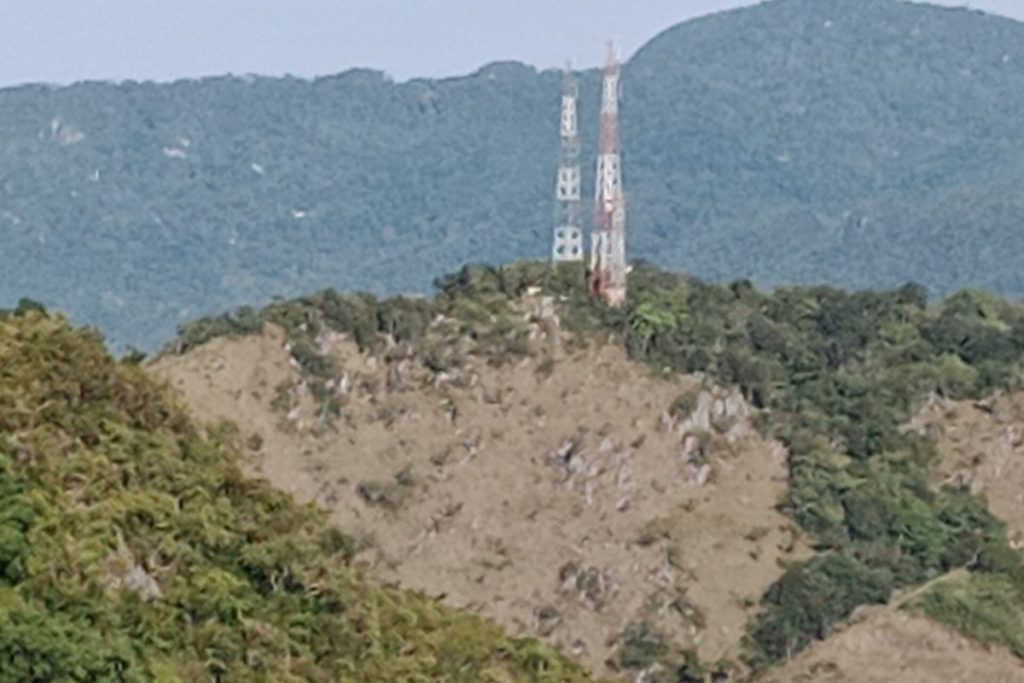
Long-range communication
Our devices use advanced radio signals to communicate over distances of up to 10 km, without depending on cellular network coverage.
The link is direct between nodes: there is no need to go through an external operator, and this makes the network independent of contracts, coverage and service changes that we do not control.
Sensors and actuators
Precise monitoring of every sensor and easy activation of remote actuators, from the same management platform.
The same network brings measurements onto the platform and returns commands: whoever reads an alarm can act immediately, without going through a second system or an on-site intervention.

Network under control
The intelligent network is constantly monitored by dedicated web servers, with immediate response to any anomalies or emergencies.
A sensor that stops responding is information, not silence: supervision distinguishes a measurement outside the threshold from an unreachable device and treats them differently.
Our mission
Going beyond the limits of IoT communication
We are committed to constantly pushing the limits of technological innovation, so that every customer finds the most advanced and reliable solution available on the market.
In practice this means not stopping at the first configuration that works in the laboratory. Every project starts with a site survey, a check of radio coverage at the real points and a choice of devices that takes into account distances, obstacles, temperatures and operating conditions.
- Reliability: communication between sensors and the platform must never be interrupted, and must be verified before installation.
- Scalability: the same network must accept new devices as the plant grows, without rebuilding the existing system.
- Continuous supervision: anomalies and emergencies must be visible immediately, with a clear distinction between a fault and a threshold being exceeded.
- Innovation: we assess and adopt the technologies best suited to each application, even when the most widespread solution is not the right one.
- Clarity: we describe the limits of a configuration before selling it, not after.

How we work
From site survey to support
A straightforward path, in which every stage is checked together with the customer. No step is taken for granted, because a radio system either works or it does not: there is no middle ground.
- Requirements analysisWe assess the plant, the variables to be monitored, the actuators to be controlled and the distances to be covered, starting from how the process works today.
- Field verificationWe check where the devices can be installed: obstacles, heights, available power and blind spots in radio propagation.
- Solution designWe define the devices, sensors and radio network architecture best suited to the context, together with the possible alternatives and their limits.
- Installation and commissioningWe bring the devices into service and check communication with the supervision platform, point by point.
- Testing and validationBefore final installation, devices can go through our laboratory tests, with thermal and vibration stress and extreme conditions.
- Monitoring and supportThe network remains monitored by our dedicated web servers, with prompt intervention in the event of an anomaly or emergency.
Our expertise
Two disciplines, one project
Alongside radio communication we bring experience gained in industrial automation and in testing IoT and electronic items: two areas of expertise that come together in the same project.
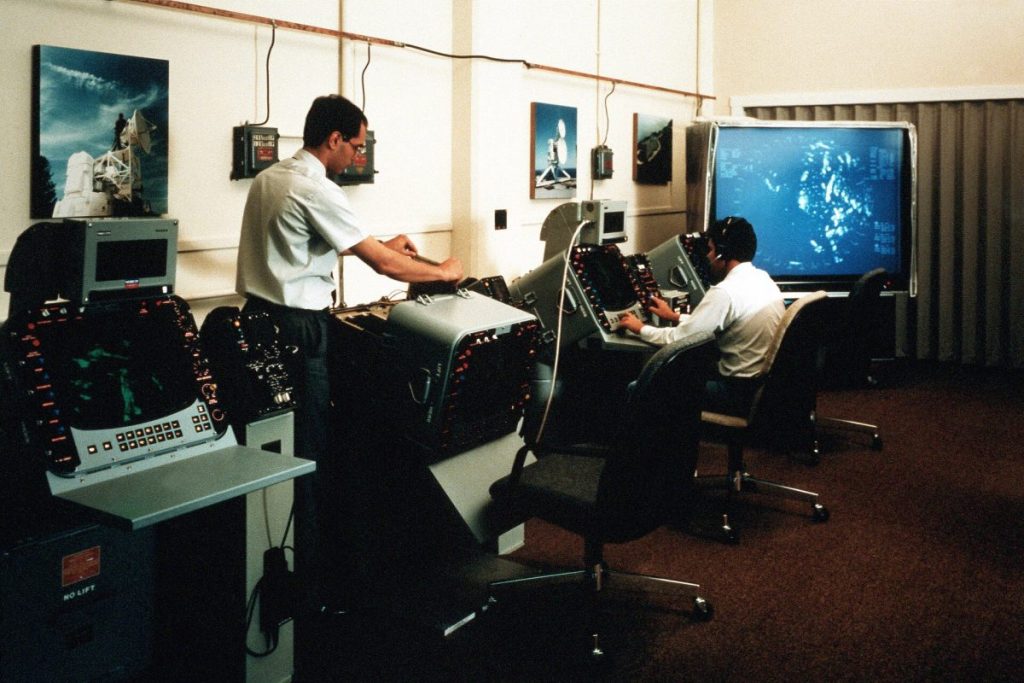
Radio networks and sensors
Long-range IoT devices, sensors, remote actuators and a supervision platform.
We take care of the network as a whole: choosing the nodes, positioning the repeaters, configuring the sensors and collecting the data.
Automation and testing
Industrial automation and testing services with thermal and vibration stress and extreme conditions.
A device that has to work in the field is first pushed to its limits in the laboratory: it is the most concrete way to reduce surprises after installation.
Our criteria
What a reliable solution means in practice
The words reliable, scalable and advanced have a precise technical meaning. They are the criteria by which we choose every component of the system.
- Radio coverage up to 10 km per link
- Link continuity verified in the field, not assumed
- Measurements collected sensors distributed across the territory
- Commands remote actuators from the same platform
- Supervision dedicated web servers, always on
- Network growth new devices without rebuilding the system
- Validation thermal, vibration and extreme-condition tests
None of these criteria can be assessed from a distance. That is why the work starts with a site survey and a check of the real installation points: that is where you find out whether a radio network holds up, and with what margin.
How it works with us
A single technical contact, from analysis to support
The person who analyses your plant is the same person who supports you during commissioning and responds when a device reports a problem. The advantage is not having to explain the history of the plant again to a new contact each time.
What we ask ourselves before proposing
Before talking about devices we check four things: where the measurement points are, what the real distances are, which variables actually matter and what should happen when a value goes out of range.
They are simple questions, but they determine whether the system will be useful or merely expensive.
What you can ask us
- A check of radio coverage at the installation points.
- Documentation of the proposed configuration and its limits.
- Laboratory tests on a device, before installation.
- A field test of the first nodes of the network.
Frequently asked questions
The questions we are asked most often
What exactly do you do?
We design and supply IoT communication systems: radio devices that connect sensors and actuators to a supervision platform, for industrial plants and buildings. We also work on industrial automation and on testing IoT and electronic items.
How far can you cover?
Our devices communicate over up to 10 km on a single link, if the installation conditions are favourable. With intermediate repeaters the network extends further. The distance actually covered, however, can only be established after seeing the installation points and the obstacles between them.
Do you work only on new plants?
No. A large part of our work concerns plants that are already in operation, where an extra measurement or a remote command is needed and the existing infrastructure does not cover it. In those cases the radio network is added to what is already there.
Do you need mobile coverage on site?
No. The devices talk to each other by radio and the network can be independent of mobile operators. Supervision uses the connection available at the data collection point, not at the individual measurement points.
Can a device that is already installed be moved or added later?
Yes. The network is designed to grow: adding a node means installing a device and checking the link with the platform, without rebuilding the plant already in operation. Even a move caused by a change in the layout of the plant falls within the configuration.
Which equipment do you test in the laboratory?
On IoT and electronic items, including third-party devices: we subject the item to thermal stress, vibration and other extreme conditions, to see how it behaves before it goes into the field. The outcome is used to decide the configuration, not to issue certificates.
Let’s talk about your project
Tell us what you need to monitor or control: we will help you choose the most suitable configuration.