

Sectors
A radio network that adapts to the context
From the production plant to the building, and through to the testing laboratories: our IoT communication covers different applications with the same radio infrastructure and the same supervision.
The sensors change, the variables to be measured change and the conditions in which the devices have to work change. What does not change is the way the data reaches the platform.

Fields of application
Four contexts, a single platform
Whether it is an industrial process or a building automation system, the data arrives on the same supervision platform, with the same alarm and control tools.
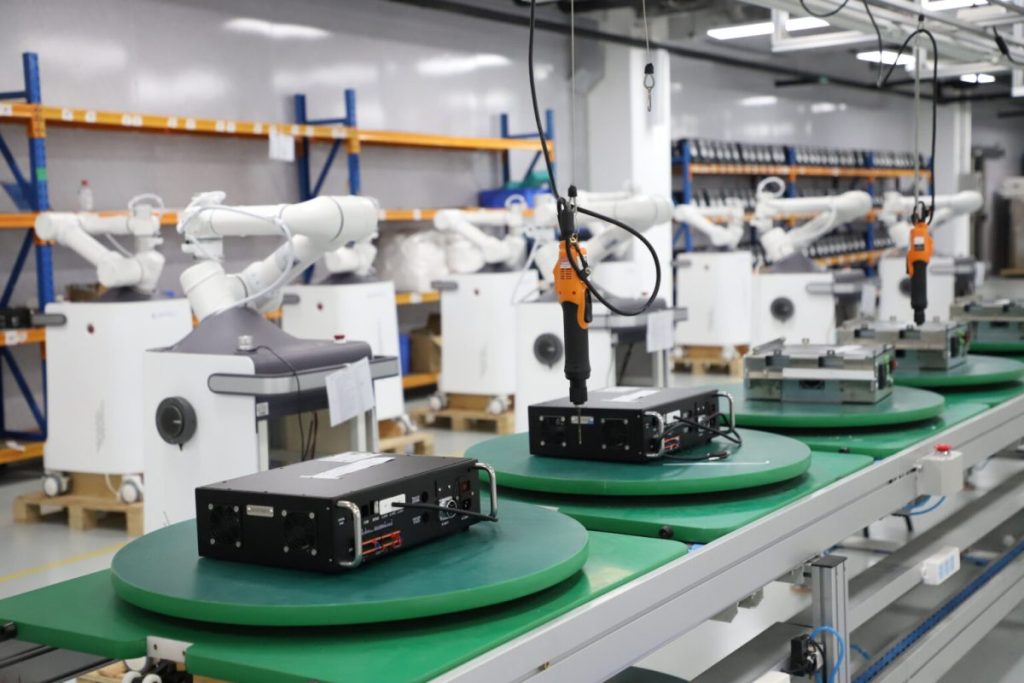
Industry and production processes
Monitoring of process variables and machine status, including on lines spread across different departments.
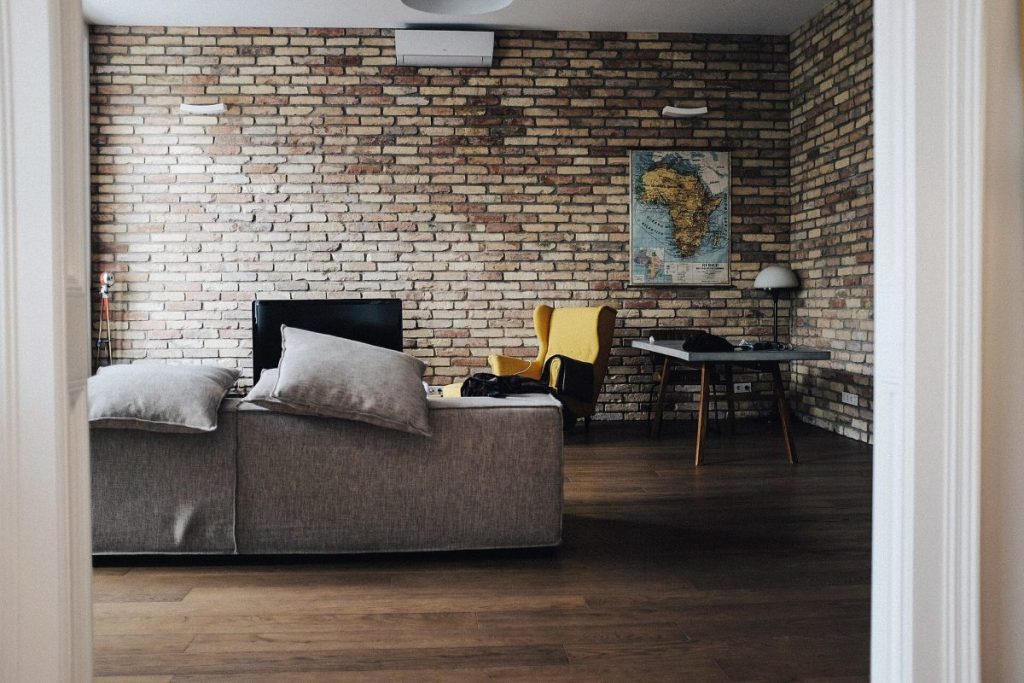
Building automation and buildings
Management of comfort, safety and systems in residential, commercial and industrial buildings.
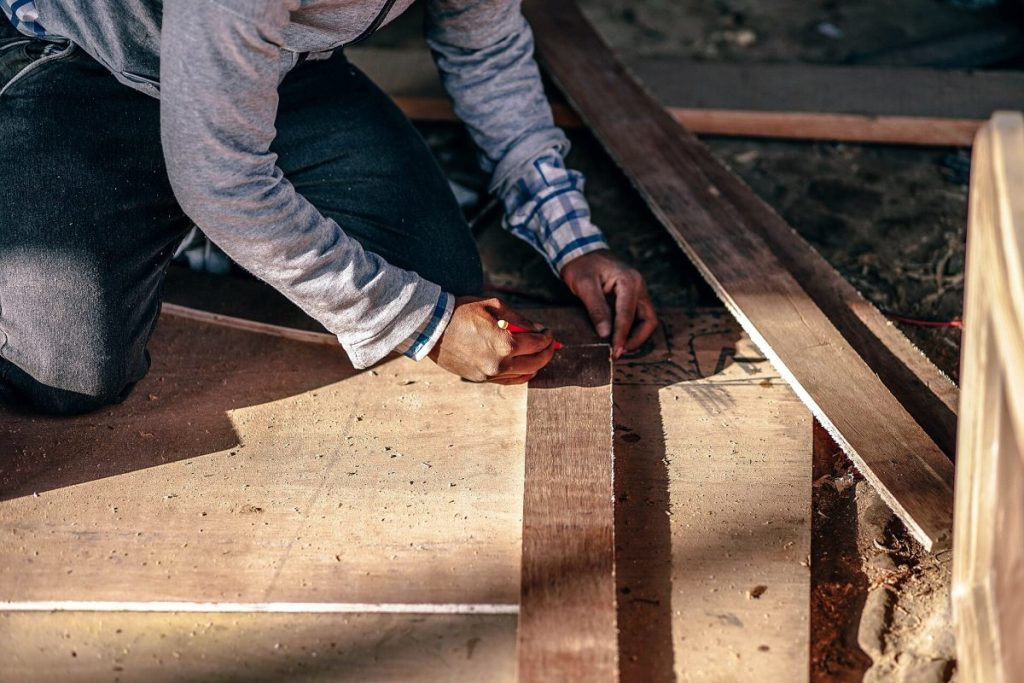
Industrial automation
Remote control of actuators and integration with the automation systems already present in the factory.

Testing and extreme conditions
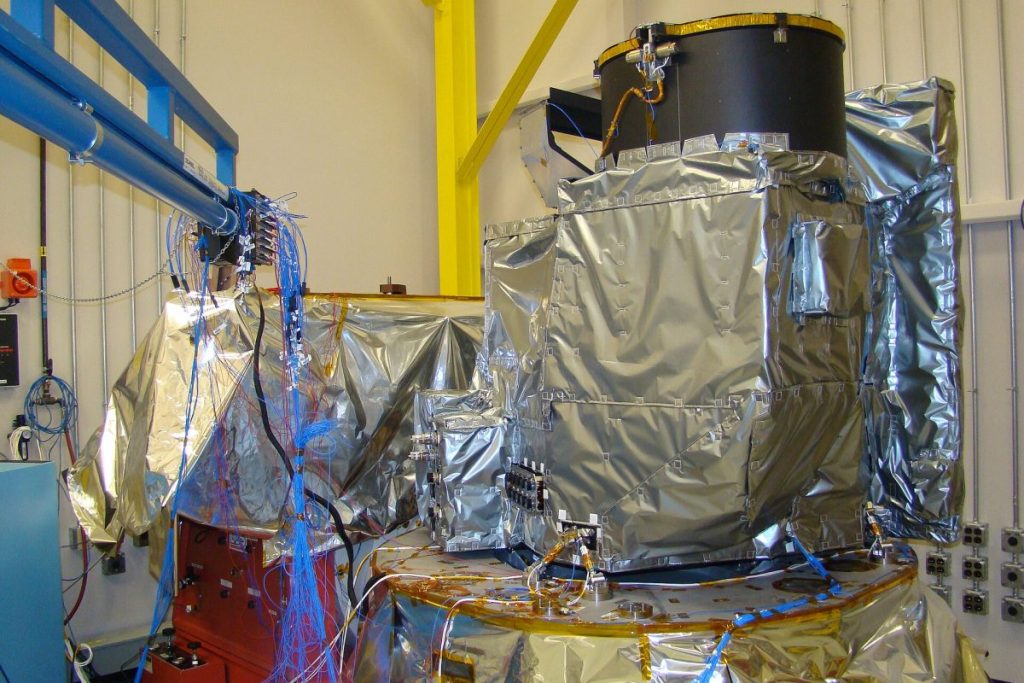
Checks on IoT and electronic items subjected to thermal, vibration and environmental stress.
Sectors in detail
Where we carry the data, sector by sector
Every sector occupies the territory in a different way: some have measurement points scattered over kilometres, some have machines concentrated in a single warehouse, some have to watch over a building. This is what changes in our work.
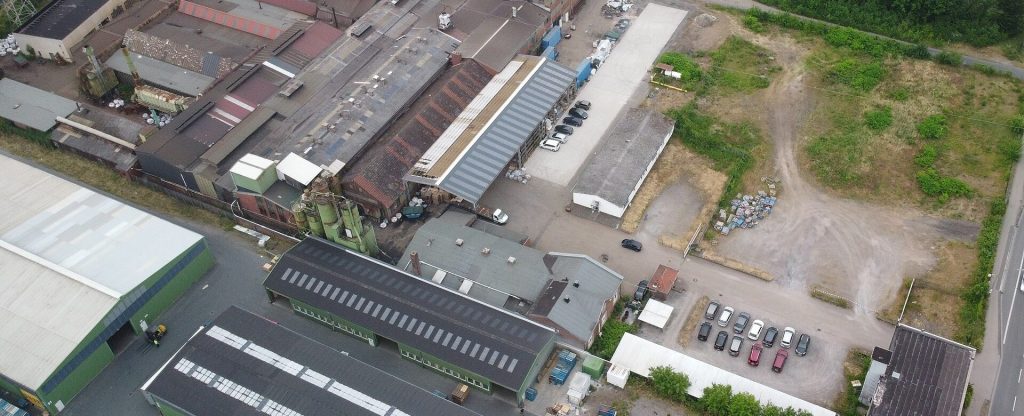
Heavy industry and foundries
Environments with heat, dust and vibration. The radio nodes are positioned where the signal reaches and the sensors where the measurement is needed, at the greatest distance between them that is compatible with propagation.
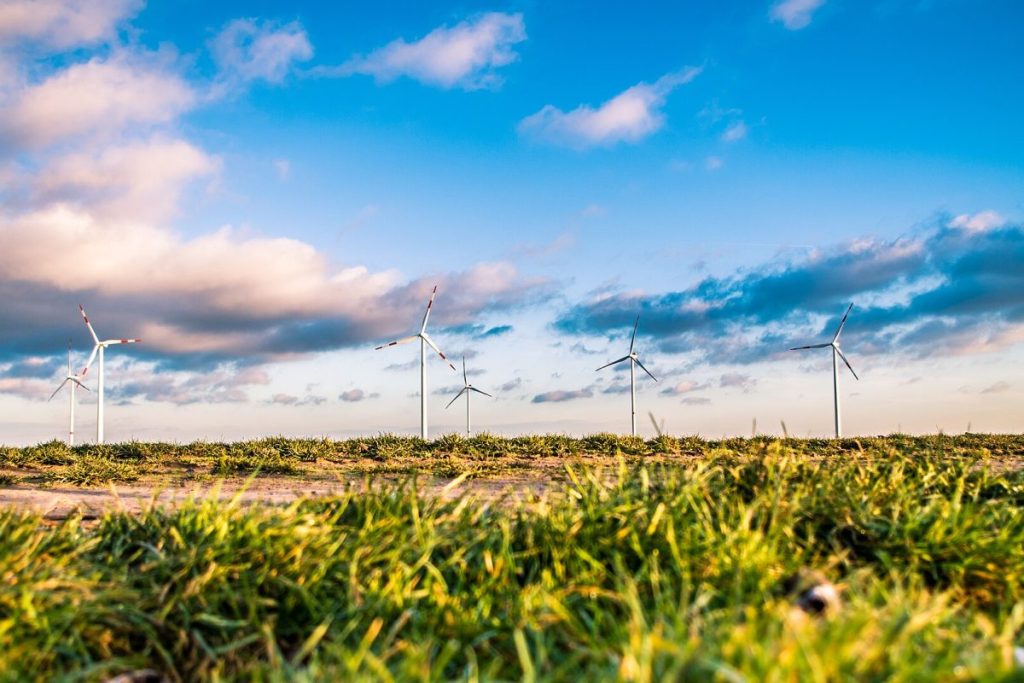
Energy and distributed plants
Plants that occupy large areas, where a wired connection is not practicable. The radio network covers the area without depending on the local network infrastructure.

Water and environment
Pump rooms, tanks and isolated measurement points. Here what matters is the process values and the fact that an unreachable sensor is reported immediately.
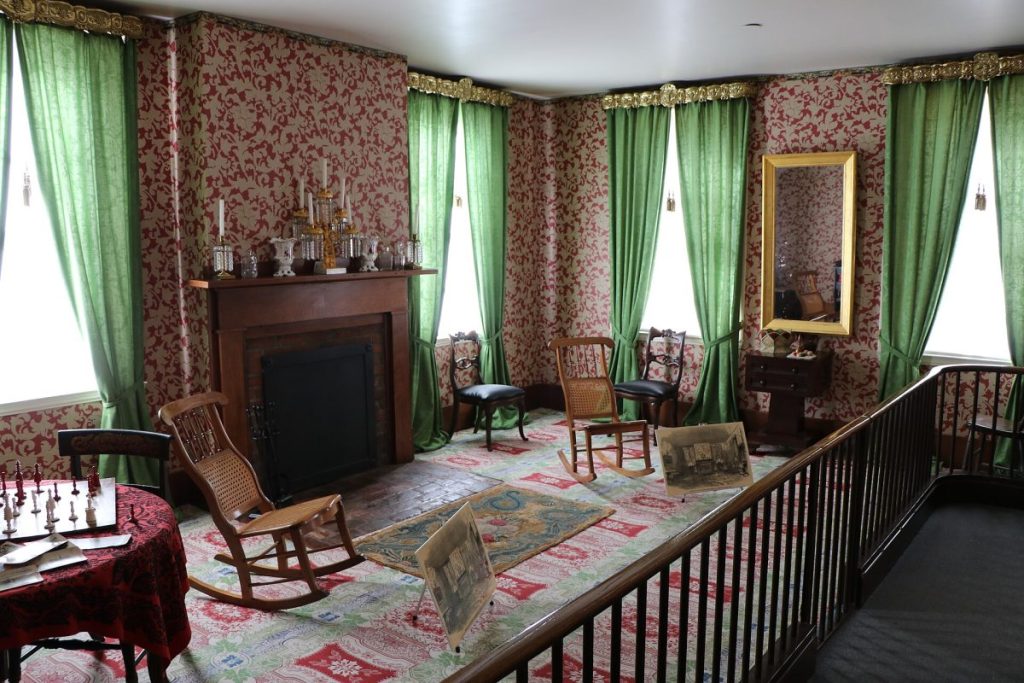
Buildings and building automation
Several devices in nearby spaces, with the need to manage them from a single point: comfort, systems, utilities and the environmental conditions of the rooms.

Logistics and warehouses
Large covered volumes, with metal shelving that interferes with propagation: the arrangement of the nodes is studied on site, taking into account the aisles and the heights.

Infrastructure and mobility
Measurement points along a route, far apart from each other. Coverage is built up stretch by stretch, with intermediate nodes where needed, and verified along the real route.
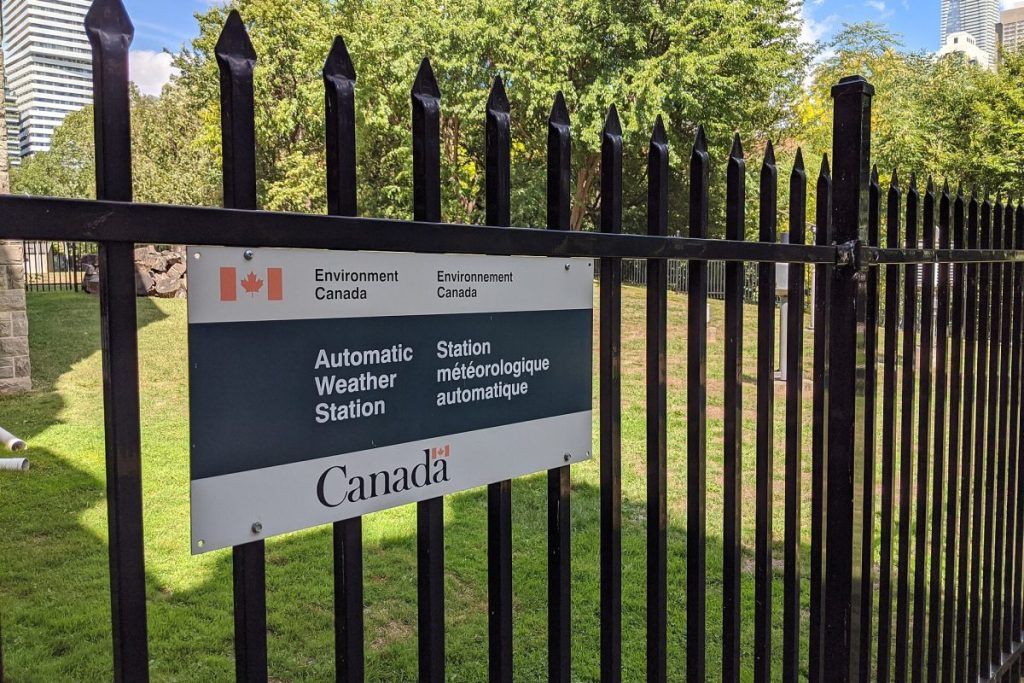
Agriculture and open environments
Areas with no power and no data network, where sensors measure conditions that change slowly and vary greatly from point to point.

Cities and urban services
Measurement and control points spread across the urban territory, with the need for a single view of services that are managed separately today.
Industry
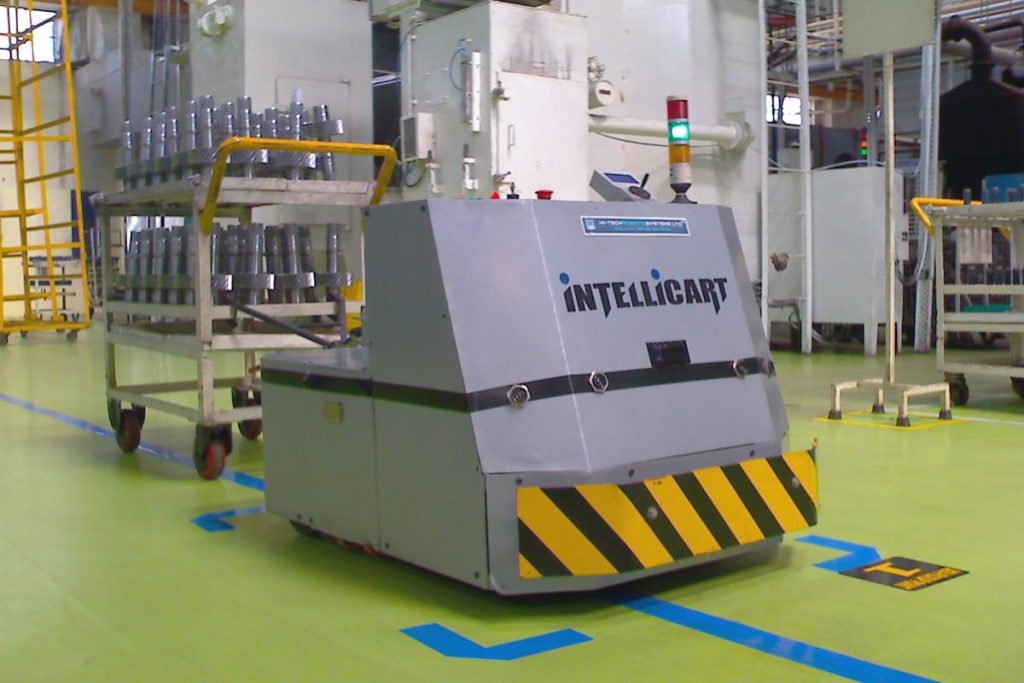
Monitoring of industrial processes
In a factory the value of telemetry lies in continuity: if a sensor stops communicating, the anomaly must be visible immediately.
- Continuous detection of process variables at the critical points of the plant.
- Radio communication even where cabling would be long, costly or impracticable.
- Immediate reporting of out-of-range values and unreachable sensors.
- Remote control of actuators to restore operating conditions.
- Storage of measurements over time, to reconstruct what happened before a stoppage.
- Addition of measurement points without interrupting production already under way.
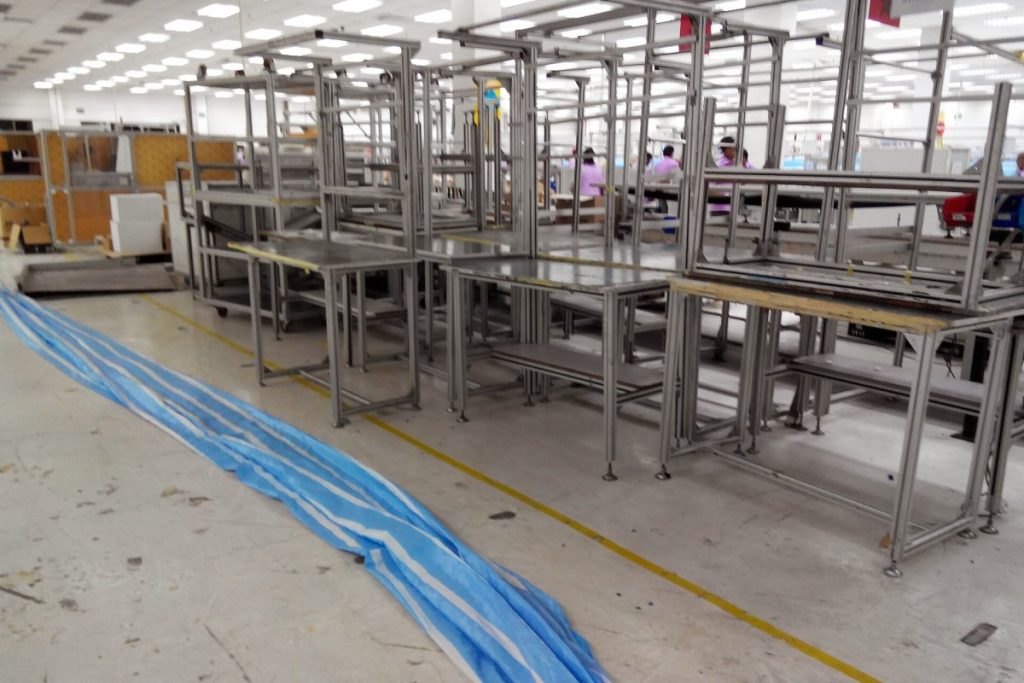
Energy and environment
Extensive plants, distant measurement points
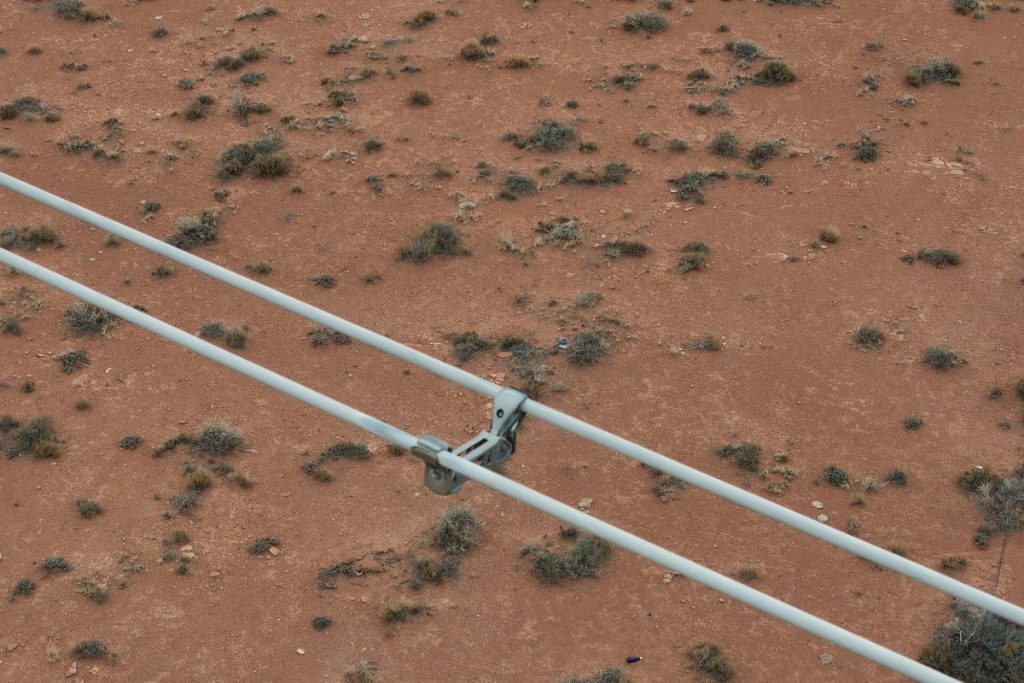
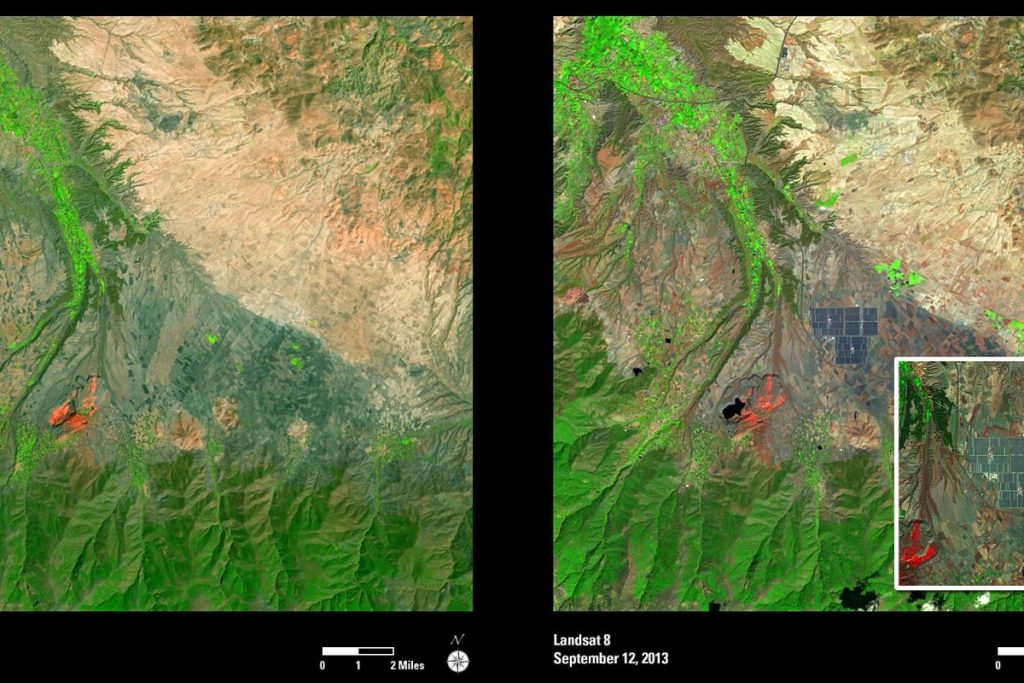
When a plant extends over a wide area, the difficulty is not measuring a variable: it is doing so at points that are far away and have no data network available.
- Coverage of wide areas with intermediate nodes, without cabling between the measurement points.
- Device power assessed case by case, based on what is available in the field.
- Monitoring of boundary conditions: temperature, humidity, system status.
- Alarms that distinguish between an out-of-range value and a device that is not responding.
Building automation
Management of building automation systems
In buildings the devices are numerous and scattered: the radio network makes it possible to manage them from a single supervision point, even across several buildings in the same complex.
- Control of systems and the environmental conditions of the rooms.
- Remote activation of actuators for lighting, air conditioning and utilities.
- Centralised supervision of several buildings with the same platform.
- Targeted interventions when a device or sensor requires maintenance.
- Integration with what the building already has, without replacing working systems.
Security and surveillance
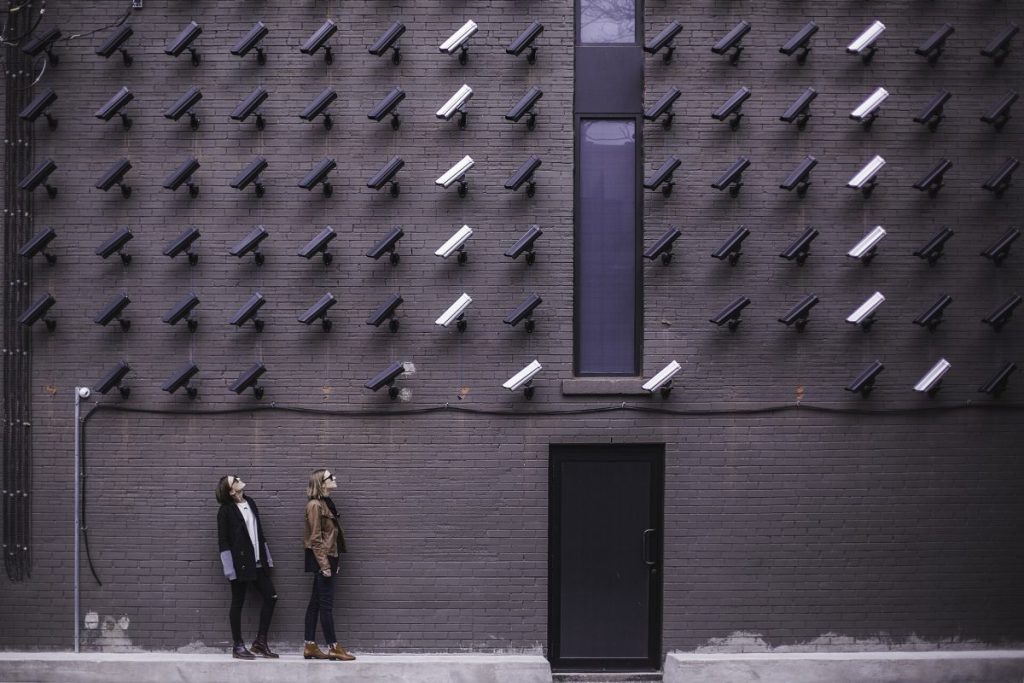
Detection and control devices in buildings and outdoor areas, connected to the same network that brings plant measurements onto the platform.

Commercial buildings and offices
Comfort, consumption and system status in a non-residential building, read together rather than system by system.
Automation and testing
Industrial automation and testing under extreme conditions
We also support the customer in fine-tuning the devices, checking their behaviour before installation in the field.
Test areas
- Thermal stress controlled temperature
- Mechanical stress vibration
- Critical environments extreme conditions
- Items under test IoT and electronic
- Test outcome documented behaviour
Why test beforehand
A device validated under controlled conditions reduces plant downtime and unplanned interventions after installation: problems are seen in the laboratory, where they can be corrected.
The method
How we choose the configuration in a new sector
The sector changes the context, not the method. This is the order in which we approach an application we have not yet seen.
- Context and distancesWe establish where the measurement points are, how far apart they are and what lies between them: walls, metal, changes in height, vegetation.
- Variables and actuatorsWe choose the sensors for the variables that really matter and establish which remote commands are needed.
- Radio architectureWe decide where to place the nodes and whether a repeater is needed, based on real propagation and not on a floor plan.
- SupervisionWe define thresholds, alarms and the order of priorities: what is urgent, what can wait, what should only be recorded.
- Field verificationWe test the system at the real points before extending it, so that the final configuration starts from a measurement and not an estimate.
Frequently asked questions
Questions about sectors and applications
My sector is not listed: does that mean you cannot help me?
It only means that we have not come across it yet. The list gathers the contexts in which our way of working is already well tested, but the method stays the same: analysis of the context, radio verification, choice of devices. Describe the application to us and we will tell you frankly whether it is a sensible route.
How many applications can I cover with a single network?
As many as the radio configuration can support: sensors, actuators and supervision live together on the same infrastructure, and this makes it possible to read together data that previously came from separate systems. If an application requires particular conditions, this is assessed during design.
Does the network work in an environment with interference or metal?
That is exactly the case in which field verification becomes indispensable: metal structures and obstacles reduce the useful range compared with ideal conditions. That is why we do not give a guaranteed distance before having seen the site.
Do you have to install my sensors, or do you supply the instrumentation?
In both cases. We work with our own sensors and with instrumentation already present, if it is compatible with the collection system. In mixed projects the starting point is the type of measurement, not the supplier.
Can I start with a single measurement point?
Yes, and it is often worthwhile: a first node serves to verify concretely how communication behaves in that context. The network is designed to be expanded, so what is installed at the start is not wasted when the plant grows.
What is needed for an initial quotation?
A description of the context, the variables to be measured, the remote commands needed and the approximate distances between the points. If you can indicate which values, going out of range, should trigger an alarm, the proposal will be much more focused.
Is your sector not listed?
Describe the application to us: we will assess together whether long-range IoT communication is the right route.