

IoT communication
Long-range IoT communication, up to 10 km
NetSpeak connects sensors and actuators over advanced radio signals: precise monitoring of field data, remote control of systems and an intelligent network constantly watched over by dedicated web servers. A single infrastructure for industry, buildings and the testing laboratory.
10 km
radio range
Sensors
precise monitoring
Actuators
remote activation
Dedicated servers
network always monitored

What we do
From field measurement to plant management
We work on IoT communication for industrial process monitoring, building automation management and testing under extreme conditions: a single infrastructure to bring field data where it is needed, without depending on network operators’ coverage.
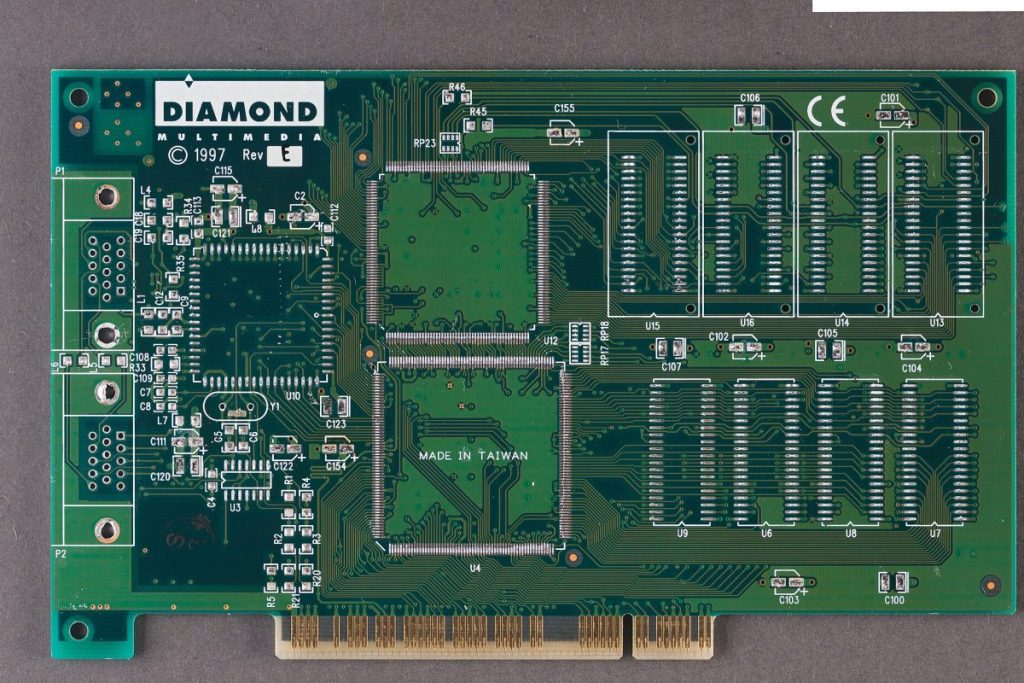
Industry
Industrial process monitoring
Continuous telemetry of plants, machinery and production lines, even across distributed sites that are far apart. Data arrives continuously and stays available in one place, so an anomaly is spotted before it becomes a stoppage.
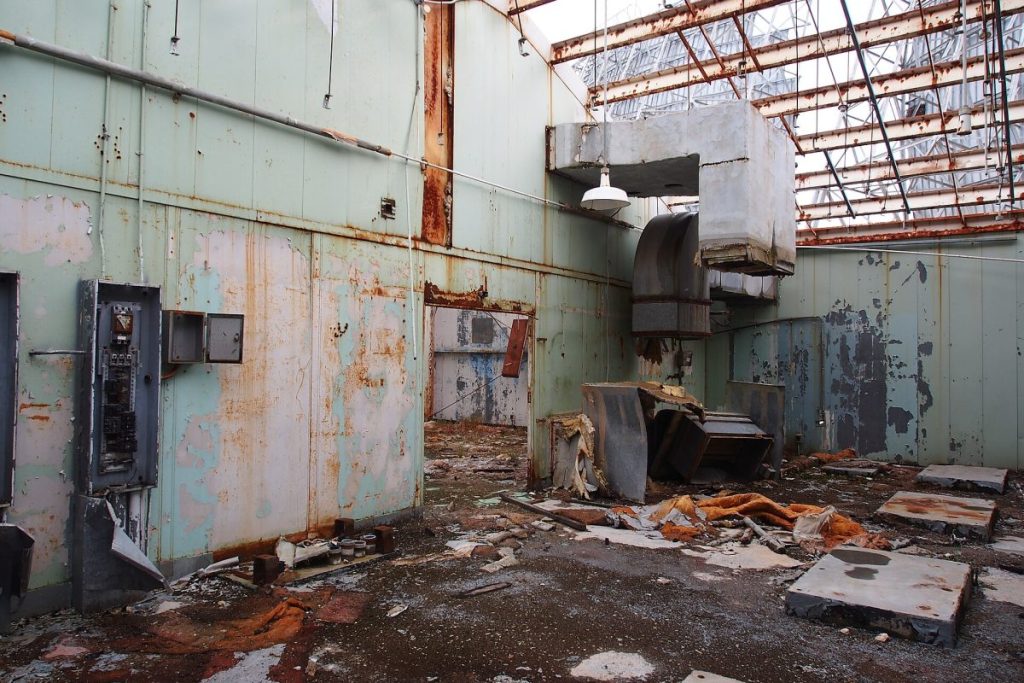
Buildings
Building automation and management
Control of comfort, safety and consumption in residential and commercial spaces, with remote control of actuators. Adjustments are applied from the web interface, even in distant buildings or ones not reached by other networks.

Laboratory
Testing under extreme conditions
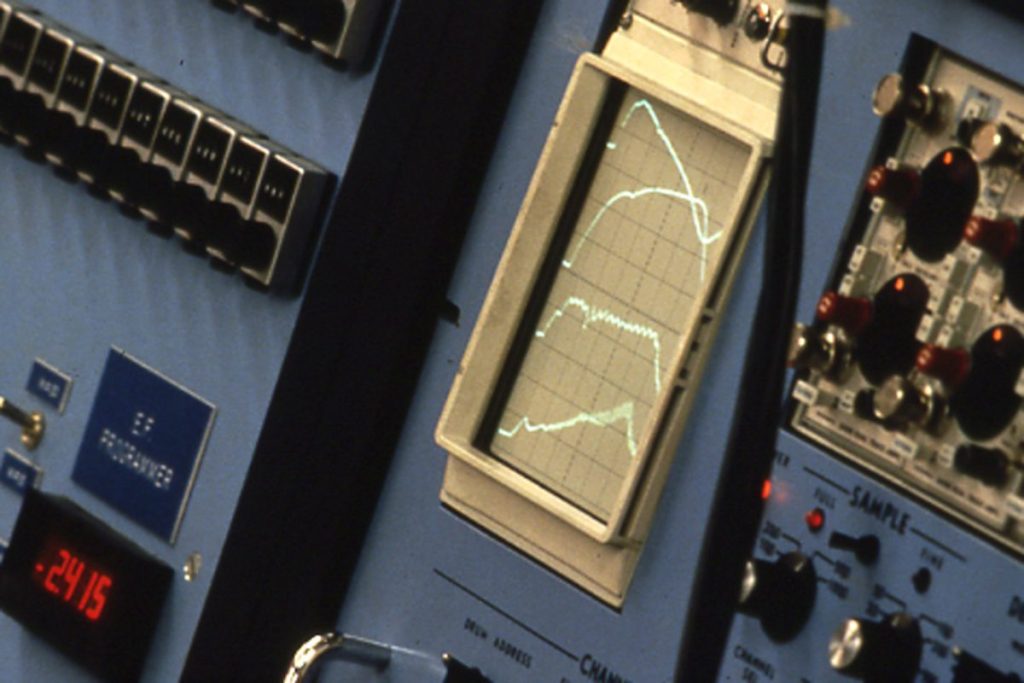
Tests on IoT and electronic items subjected to thermal, vibration and other extreme stress: you observe how the device behaves when operating conditions become difficult.
How it works
From measurement to command, step by step
The path is always the same, from the sensor installed in the field to the command sent to the actuator. Knowing the order in which things happen helps you understand where to intervene when something is wrong.
- The measurementThe sensor detects the physical variable of the process: temperature, pressure, presence, the state of a machine. The measurement is sampled regularly, not only when the plant stops.
- Radio transmissionThe data leaves the measurement point through an advanced radio signal and reaches the rest of the network. This is the step that makes it possible to work where there is no mobile signal.
- CollectionThe network nodes forward the measurements to the collection centre: several radio links are chained together to cover extensive plants or difficult terrain.
- SupervisionDedicated web servers monitor the network constantly: data is ordered, compared with expected behaviour and abnormal situations emerge immediately.
- The commandRemote actuators are activated from the same interface: a valve, a contact, an adjustment. The command starts from the office and reaches the plant without any physical intervention on site.
- Verifying the resultAfter the command the network keeps measuring: you check that the desired effect has occurred and that the process has returned to the expected conditions.
Every step leaves a trace: the measurement that triggered the alarm, the command sent and the plant’s response. For whoever manages the process this means being able to reconstruct what happened, instead of having to infer it from a plant that has already stopped.
Radio links can cover distances of up to 10 km. On a production site this means connecting separate departments, warehouses, tanks and electrical cabinets with a single network, even when the distance between measurement points makes cabling impractical.
The NetSpeak network
Advanced radio signals to truly cover the territory
Our devices use advanced radio signals to enable communication at distances of up to 10 km, without depending on mobile operator coverage. This makes it possible to reach distributed plants, isolated areas and installations that other technologies cannot reach.
The network is not a sum of isolated links: the nodes talk to each other and the topology adapts to what is on the ground. If a link becomes harder to reach, the data looks for an alternative path instead of getting lost.
Every measurement collected in the field becomes data available on the platform: sensors are monitored precisely and actuators are activated remotely with ease, from a single device to the whole plant. When something goes outside the expected values, the alert arrives before the effect spreads to the rest of the process.
- Long-range radio communication, up to 10 km.
- Precise monitoring of distributed sensors and remote actuators.
- Intelligent network monitored by dedicated web servers.
- Immediate response to any anomalies or emergencies.
- Installation also on sites without mobile coverage.
At a glance
- Communication long-range radio
- Range up to 10 km
- Field data sensors and actuators
- Supervision dedicated web servers
- Applications industry and building automation
- Complete path measure, collect, command
Fields of application
Where the network makes the difference
The same components change role depending on where they are installed. What stays the same is the way we work: measure, collect, decide, command.

Plants and production departments
Machinery, lines and auxiliary services report their operating status without anyone having to go and read an instrument. A value outside the range is seen while the department is still in production.

Buildings and living spaces
Comfort, safety and consumption are managed from a single interface, with adjustments that also reach buildings not covered by other networks and the possibility of correcting the setting without going on site.
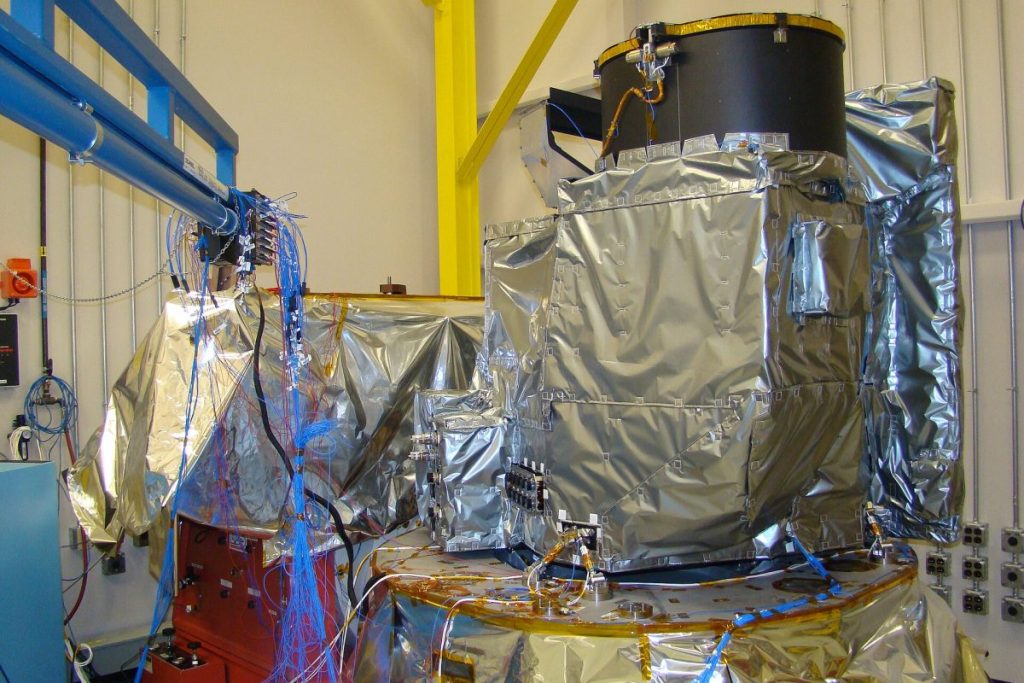
Laboratory and testing
During a thermal or vibration stress test, devices are followed while they are subjected to difficult conditions: how they react is recorded and measurements are compared from one test to the next.
We list the most frequent scenarios on the Sectors page, while the components that make them possible are described in Products.
In the field and in the laboratory
Measuring where the process happens
The quality of a telemetry system is largely decided at the point where the measurement is taken: the sensor sits outdoors, in a noisy environment or inside a plant in operation.
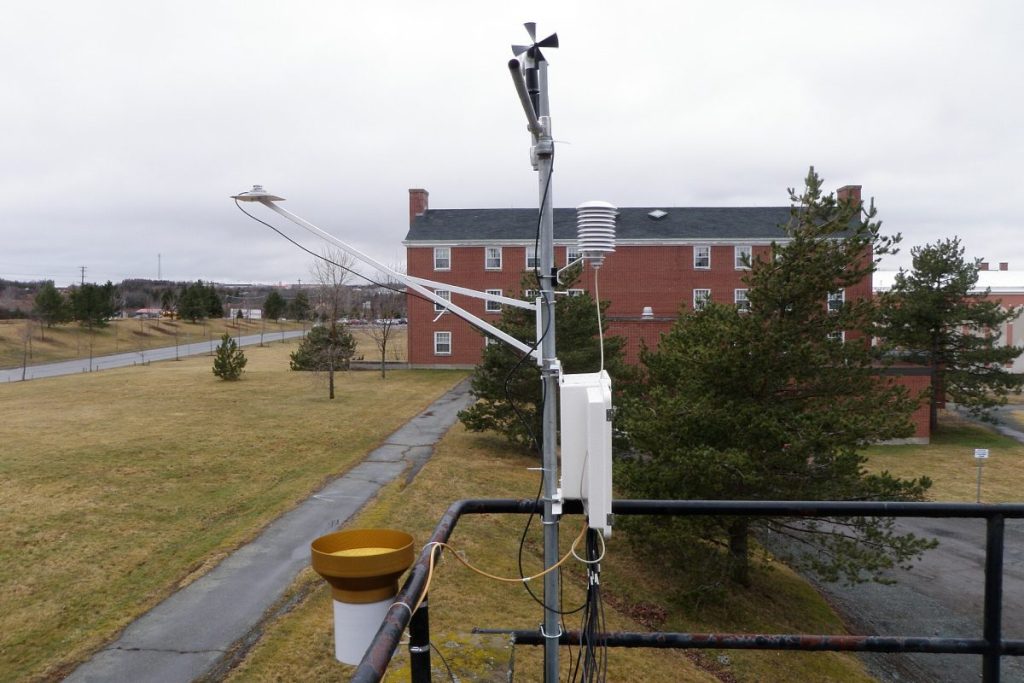
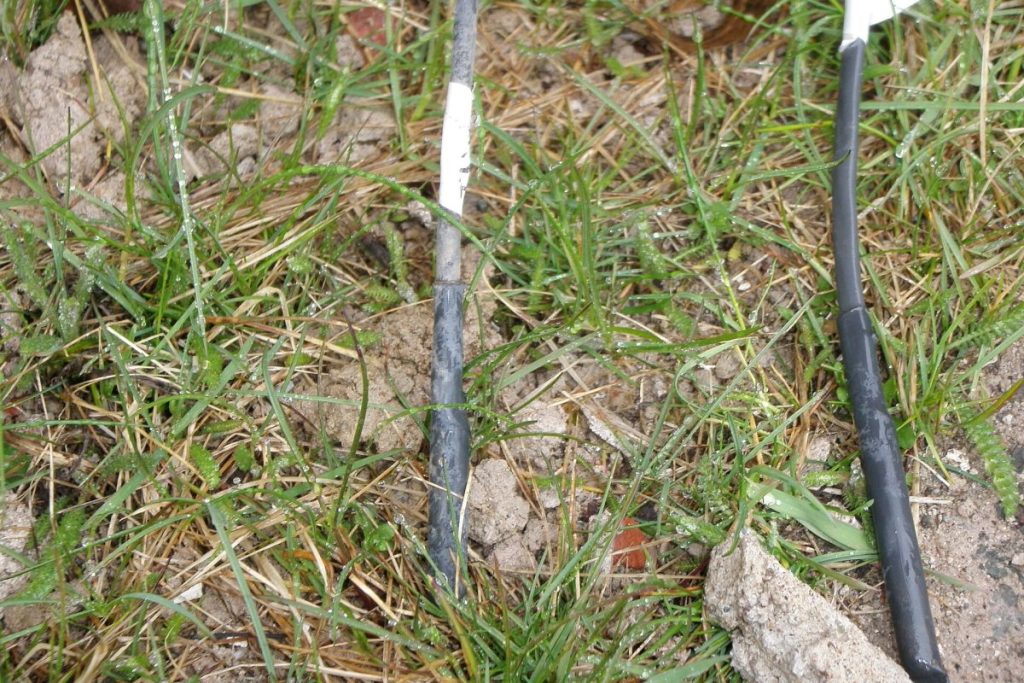
That is why the work starts with choosing the measurement point and checking the available radio signal: you check where the data starts well and where an extra node is needed. Laboratory tests help to understand how the devices behave when conditions become difficult, before they are installed on a production plant.
Whoever manages the plant ultimately receives a system that measures on its own, alerts on its own and is controlled remotely: manual intervention remains for decisions, not for routine checks.
Why NetSpeak
Reliable, scalable solutions, from the pilot plant to production
The first plant serves to prove that the solution works; the next step is to make it grow without changing the way it is managed.
Reliability
The network is constantly monitored: anomalies and emergencies are detected and handled promptly, limiting downtime and manual interventions in the field. When a node stops responding, the lack of data is itself information.
Scalability
The architecture grows with the plant: you start with a few installations and reach extensive networks across multiple sites, keeping the same ease of management. Adding a measurement point does not mean rebuilding the existing system.
Continuous innovation
We experiment on and verify our devices under extreme conditions, to bring increasingly advanced and long-lasting solutions to market. Our range of industrial automation services comes from the same measurement and testing work.
Frequently asked questions
The questions we are asked most often
Over what distance can the devices communicate?
Our devices communicate with advanced radio signals over up to 10 km. In practice the useful distance depends on the location: an extra node may be needed to get past an obstacle or to carry the signal where a direct path is not possible.
Do you need mobile network coverage?
No. The network is independent of mobile coverage: that is precisely why we can work in distributed plants, isolated areas and installations where operator signal does not reach.
What is the difference between a sensor and an actuator?
The sensor measures a process variable and transmits it; the actuator carries out a command, for example opening a valve or activating a contact. Together they form the complete cycle: measure, decide, act and verify the result. We describe them on the Sensors and Actuators pages.
How is the data collected in the field monitored?
By dedicated web servers that follow the network constantly. When something goes outside the expected values the alert arrives immediately, so the anomaly is handled before it becomes a stoppage or an emergency.
Can you start with a small plant?
Yes: you begin with a few installations and add capacity when needed. The solution is designed to stay reliable and manageable even when the number of measurement points grows or when it is extended to other sites.
Transform the way you communicate with and manage your IoT devices
Tell us about your project: we will help you find the solution best suited to your communication and monitoring needs.