

Services · Testing
Testing of IoT and electronic items
We subject devices and components to thermal stress, vibration and extreme conditions, to verify that their behaviour in the field is as expected before installation.

Test areas
Where the device is put to the test
A device is born in the laboratory, but it works in difficult conditions: temperature swings, continuous vibration, hostile environments. Testing reproduces these conditions in a controlled way.
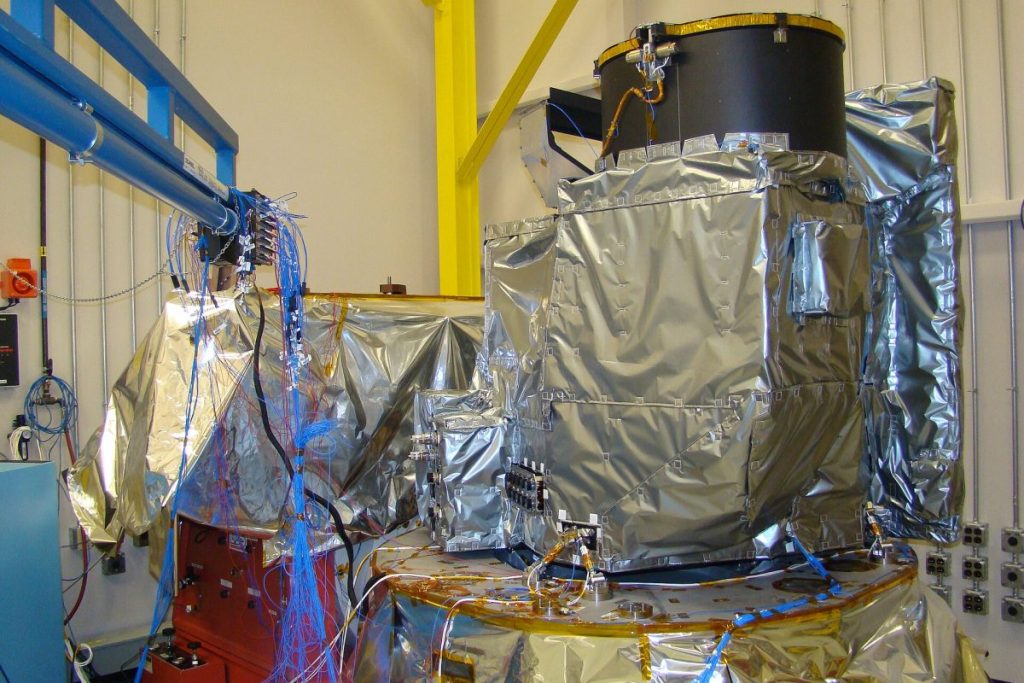
Thermal stress
Checks of operation at high and low temperatures, with repeated cycles to assess how well the device holds up. It serves to understand whether performance remains as expected even when the environment changes.

Vibration and mechanical stress
Tests on devices destined for installations subject to continuous mechanical stress: moving machinery, exposed structures, vehicles. Here you check what a calm laboratory reading does not tell you.
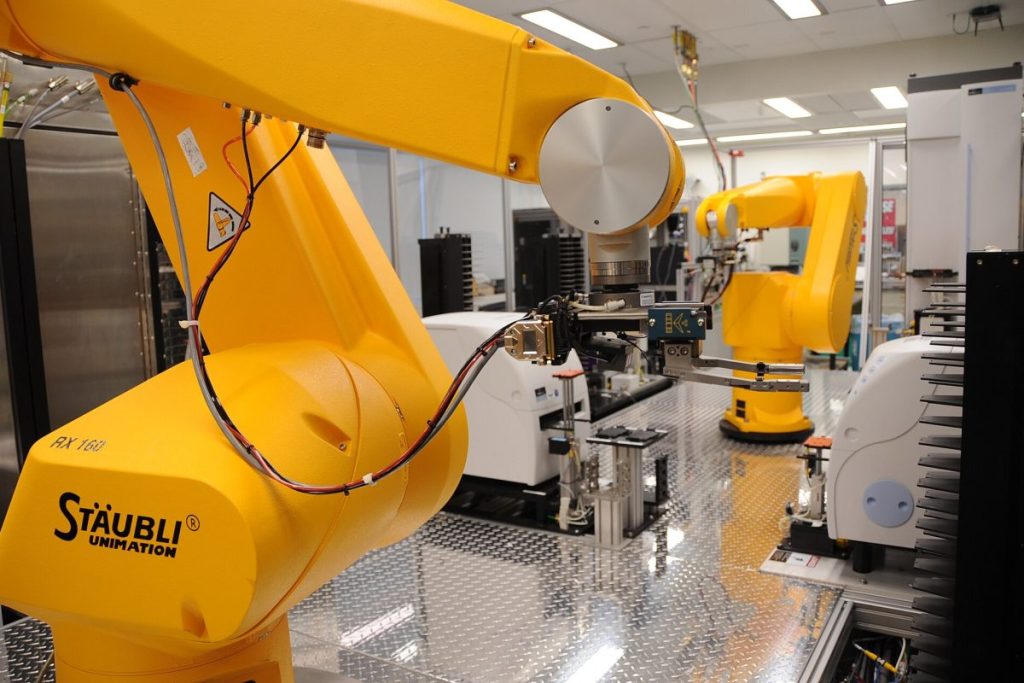
Extreme conditions
Tests in difficult environments, where the design is assessed beyond ordinary operating conditions. The aim is to see how the device behaves when things do not go as planned.
Method
How a test is carried out
A well-run test begins before the test itself: you decide what to check, under which conditions and by what criterion the result is judged.
- Defining the objectivesWe clarify what the device has to withstand, under which conditions it will be used and what is considered an acceptable outcome.
- Preparing the specimenWe prepare the specimen and the instruments needed for the checks, with the instrumentation connected to the measurement points.
- Carrying out the testsWe apply thermal stress, vibration and extreme conditions, following the defined plan and observing the behaviour.
- Checking communicationWe check that the radio link and data transmission remain continuous during and after the stress.
- Outcome and documentationWe describe the behaviour observed, the checks carried out and the actions suggested.
Checks
What we check
It is not a single thing that is measured: the device is looked at as a whole, from electrical behaviour to its ability to keep communicating.
- Operation after thermal stress
- Mechanical strength vibration and stress
- Behaviour under extreme conditions
- Communication continuity of the radio link
Testing is for deciding in advance, not discovering afterwards. For the customer it means:
- Identifying weak points before installation in the field.
- Comparing variants and components on measured grounds.
- Documenting the outcome of the checks.
- Reducing the risk of failures after commissioning.
From prototype to plant
Before and after testing
Testing is not an isolated moment: it sits between the choice of components and the final installation, and its conclusions feed into the project.

Choosing components
Tests help to understand which components can withstand the context of use and which cannot, before committing to a final configuration.
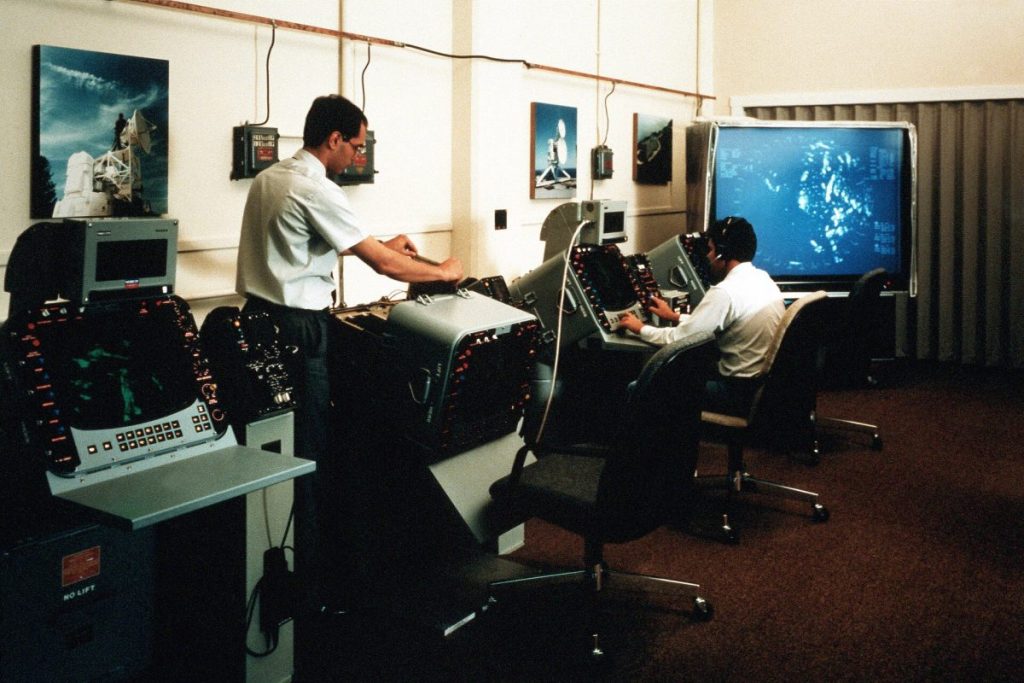
Preparing the device
The test results indicate where to intervene: a stronger fixing, a different protection, a less exposed installation position.
Installation in the field
A device that has passed the tests arrives in the field with a known behaviour. It is the difference between hoping it holds up and knowing how it will react.
The test bench
Where the tests are carried out
The checks are carried out in the laboratory, with the instrumentation needed to reproduce the conditions of use and to observe the behaviour of the device during the stress.
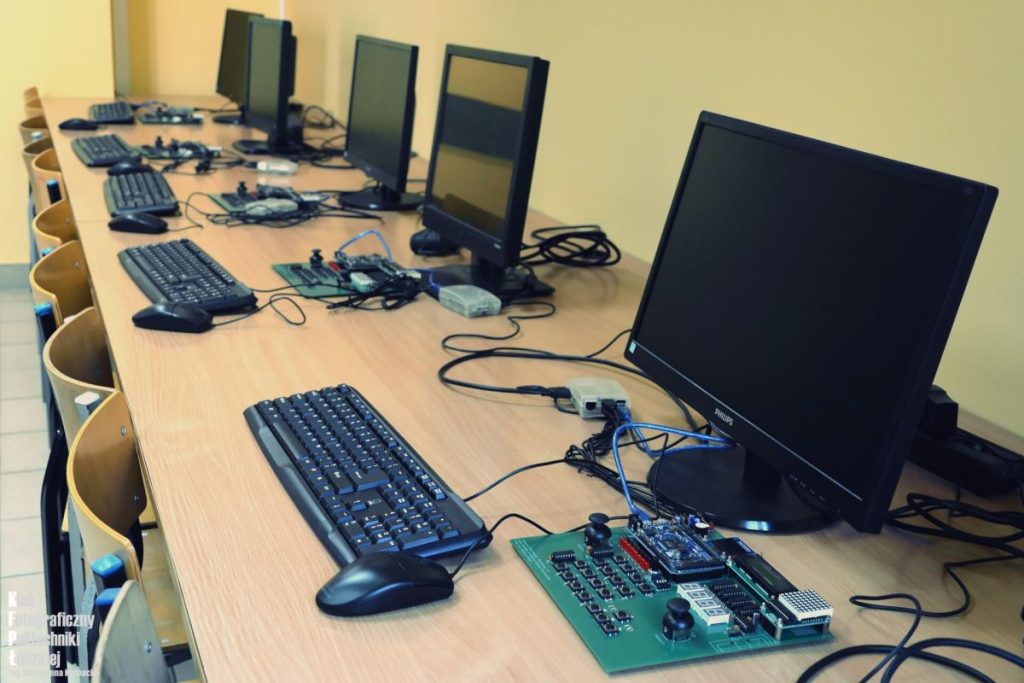
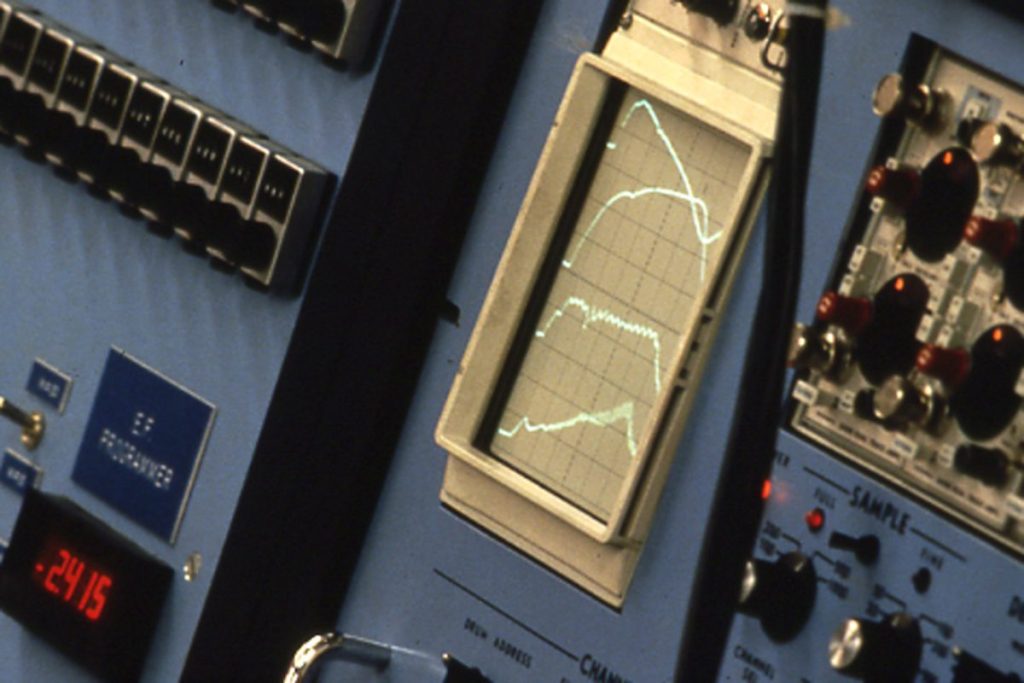
The laboratory is also where the configurations that will later be reproduced in the field are prepared: the device parameters, the behaviour of the radio communication, the way measurements are collected by supervision.
Frequently asked questions
Questions about testing
When is it worth testing a device?
Before installation, when a negative outcome is still inexpensive to correct. This is especially true for devices destined for hard-to-reach installations.
Can prototypes be tested?
Yes. Testing also supports items in the development phase, when concrete evidence is needed to decide between alternative solutions.
What does the outcome of a test include?
The behaviour observed during the tests, the conditions applied and the indications useful for the project. The arrangements and contents are agreed together with the customer.
What is the relationship with installation in the field?
A direct one: the tests anticipate the conditions the device will really encounter, so you arrive in the field with a behaviour that is already known and the corrections already made.
Do you want to test a prototype?
Tell us the device and the conditions in which it will have to work: we will define the test plan together.