

Products
Sensors and precise monitoring
NetSpeak sensors detect what happens in the plant and transmit the measurements to the platform, ensuring precise monitoring even across measurement points that are very far apart.
10 km
distance from the platform
Continuous
monitoring
History
of the measurements
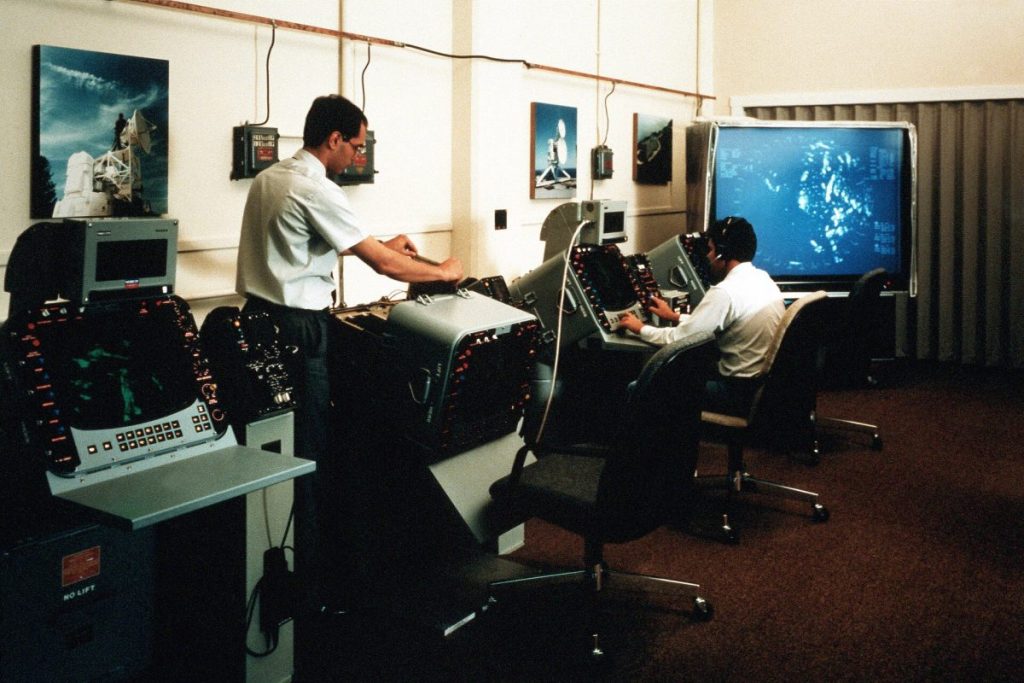
Monitoring
Continuous measurements instead of site visits
A plant is run on data, not on impressions. With sensors connected to the radio network the process variables reach the platform continuously, and decisions are taken on measured values.
Industrial processes
Monitoring of production parameters and machine conditions, to catch drift before it becomes plant downtime.
Building automation and environments
Monitoring of indoor and outdoor conditions, with data available from a single platform.
Hard-to-reach points
Isolated or hazardous stations that are kept under control without the need for continuous physical access.
In a department as outdoors, the logic does not change: the sensor stays where the variable can really be measured and the data reaches the platform without anyone having to go and collect it.
Variables and measurement points
Where the sensors are applied
The variables to be controlled change with the plant, but the installation contexts are similar: indoor environments, process equipment and outdoor points exposed to the weather.
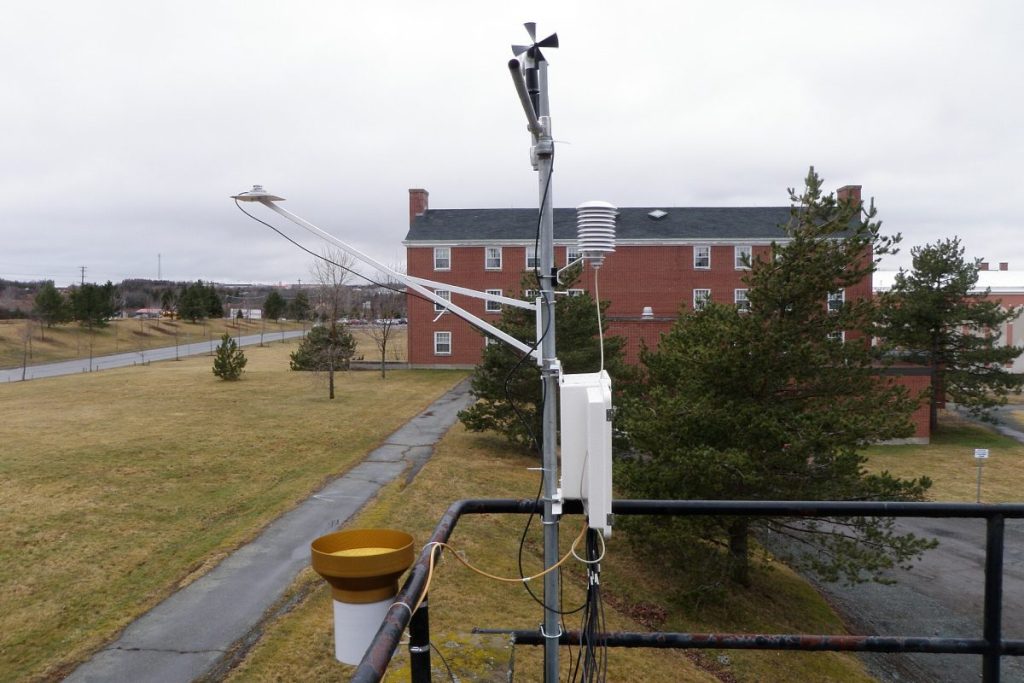
Outdoor environments
Measurement stations exposed to the weather, on poles, supports or existing structures. The sensor acquires the environmental values and the radio node carries them into the network, even kilometres away.
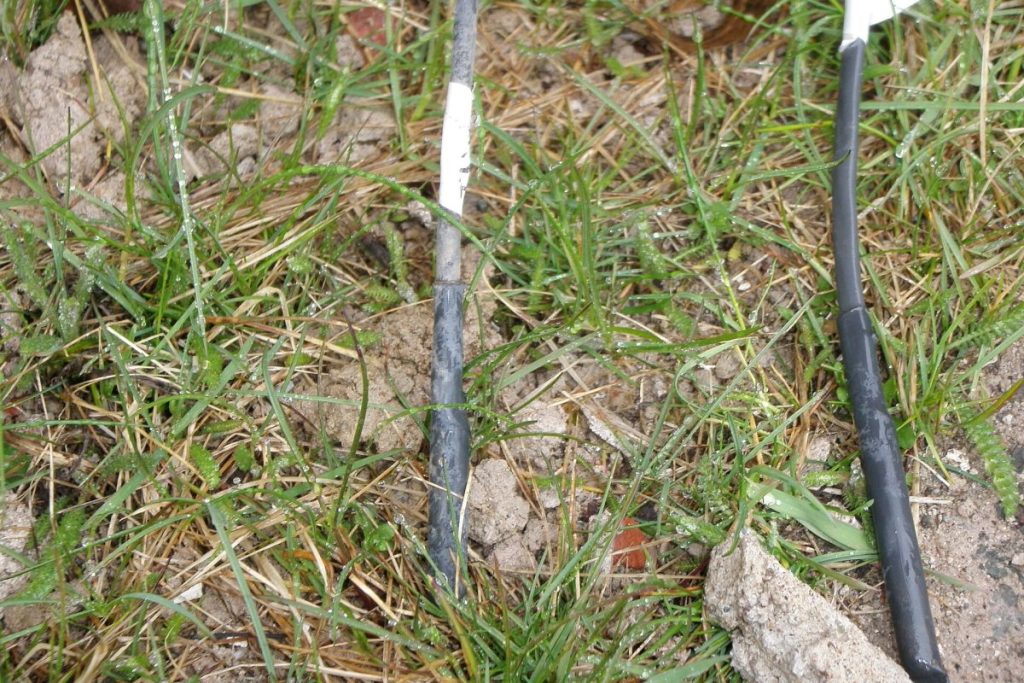
Point measurements
Variables detected at a precise point: a probe inserted into the ground, a sensor in contact with a surface, a measurement that must stay close to the phenomenon being observed.
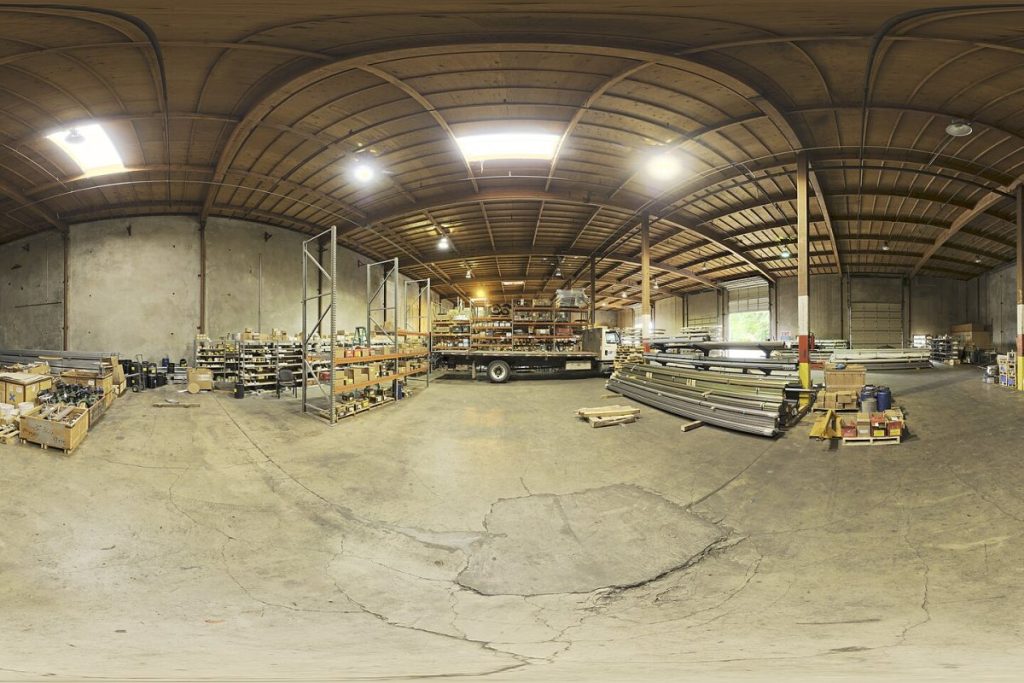
Process systems
Lines, piping and mechanical parts: the operating conditions of the plant are observed where the deviations arise, not downstream.
From measurement to data
The journey of a sensor
- DetectionThe sensor acquires the physical variable at the measurement point.
- TransmissionThe data travels over the long-range radio network, up to 10 km.
- SupervisionThe dedicated web server collects the value and checks its consistency.
- ReactionIf the measurement exceeds the expected limits, the platform reports the anomaly immediately.
Features
How they are made
Summary
- Transmission long-range radio network
- Range up to 10 km
- Data collected on the platform
- Anomalies reported immediately
What you get
- Measurement history that can be consulted from the platform.
- Comparison over time between normal conditions and abnormal situations.
- Fewer site visits to distant measurement points.
- Planned rather than reactive interventions.
Installation context
Sensors that work where they are needed
The placement of the sensor decides the quality of the measurement. A well-chosen measurement point requires less maintenance, produces data that is comparable over time and tells the story of the plant without surprises.
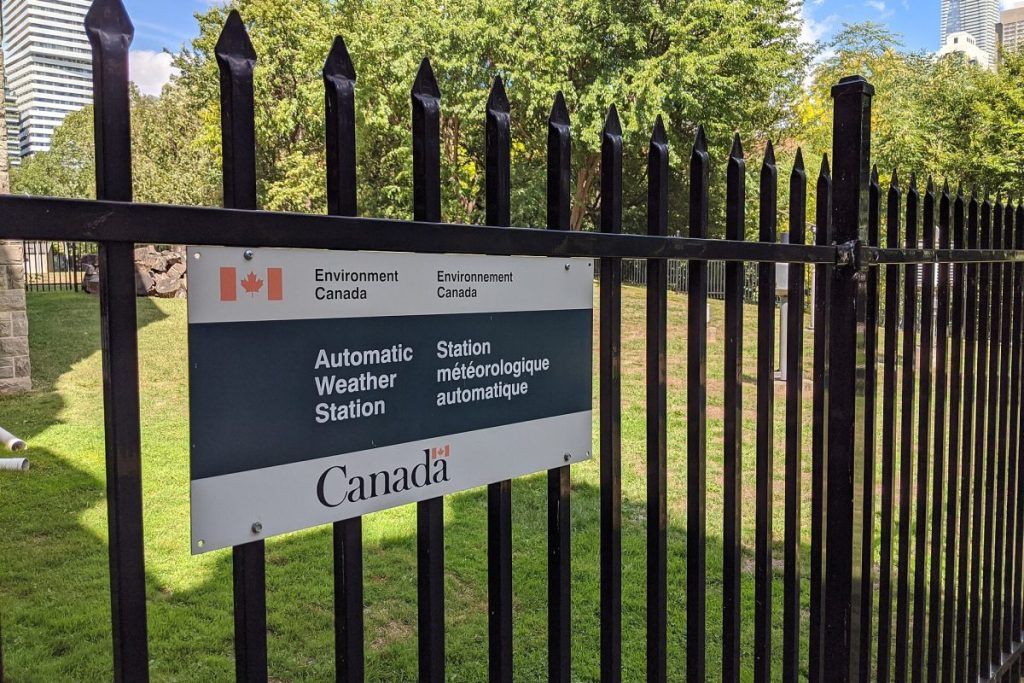
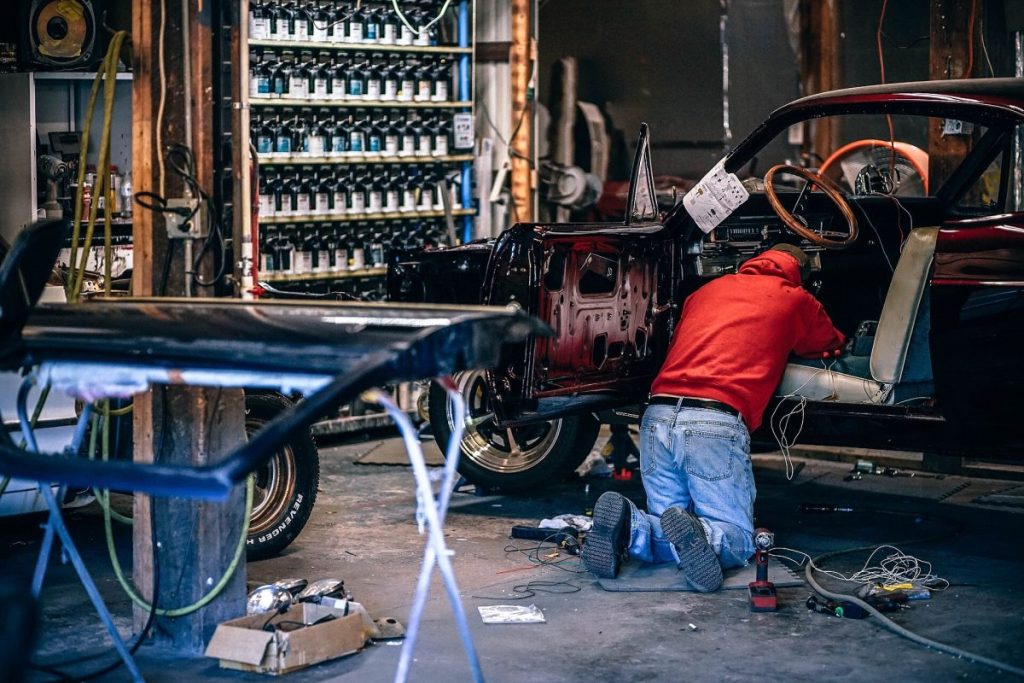
Outdoors, protection from the weather and stability of the fixing matter; in a department, what matters is proximity to the measurement point and being able to reach the sensor without stopping production. These are two different situations, but the measurement reaches the platform in the same way.
From measurement to decision
What is done with the collected data
The value of a sensor is not the single reading, but the ability to follow a trend. The measurements collected end up on the platform, where they are compared, stored and used to decide when to intervene.
Trends over time
Measurements are read in sequence: a slow change tells of ongoing degradation, a sudden deviation signals an event. Both can only be recognised with continuous readings.
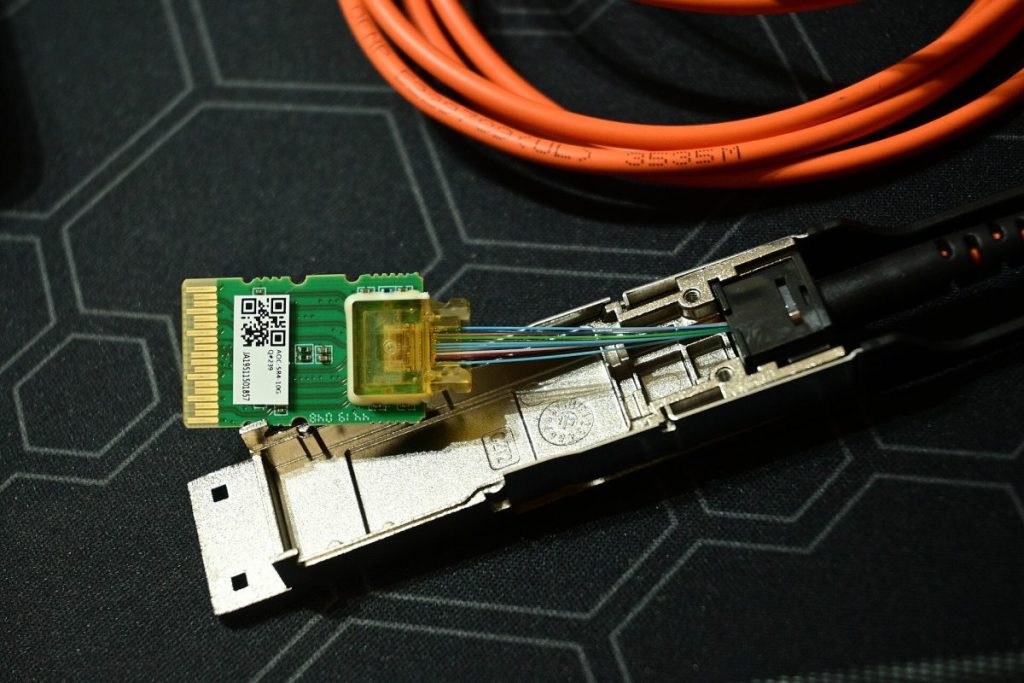
Available data
The values collected remain available for consultation even after some time: they serve to reconstruct what happened when analysing an anomaly or planning maintenance.
Useful alarms
Deviations from the expected values are reported as they arise, so attention focuses on the cases that deserve intervention.
Frequently asked questions
Questions about the sensors
What can be measured?
The variables that describe the process and the environment: physical conditions of materials and systems, operating parameters of machines, the state of mechanical parts, indoor and outdoor environmental variables. During the analysis phase the measurements useful to the plant are defined together.
Do you need to run power to the sensor?
The node and the sensor are installed where power is available or can be managed according to the context. In any case there is no need to lay a signal cable to the collection point: the radio network takes care of the link.
Can already-installed sensors be reused?
When the existing instrumentation provides a usable signal, the acquisition node connects it to the network without replacing it. In this way the existing sensors join the platform and remain under supervision like the rest of the plant.
What is the difference between a reading and an alarm?
The reading is the measured value, the alarm is the conclusion the platform draws by comparing it with the expected limits. The first serves to reconstruct the history of the plant, the second to decide when to act.
Which variables do you want to keep under control?
Tell us what you measure today and how often: we will assess the sensors best suited to your plant.