

Services · Radio networks
Dedicated radio networks, up to 10 km
We design, install and maintain radio networks for sensor monitoring and remote actuator control, including on plants spread over large areas.
The network
A network designed around your site
Every installation has its own constraints: distances, obstacles, measurement points to be reached. The radio network is sized around these elements, with devices that communicate over up to 10 km and centralised supervision of the data collected.
The starting point is always a concrete question: where each measurement point is located and how far it is from the point where the data has to arrive. From that you can tell whether a direct link is enough, whether a repeater is needed to act as a bridge or whether it is better to rely on part of an existing infrastructure.
The same care goes into the environment in which the devices work: a cabinet in a production department, an outdoor pole and a technical room pose different problems of power, access and maintenance. These are assessments made once, at the design stage, which avoid repeated interventions after installation.
- Radio range up to 10 km
- Field devices sensors and actuators
- Supervision dedicated web servers
- Management continuous network monitoring
How it works
From measurement to the supervision centre
The path of a reading is always the same, only the number of intermediate stops required by the site changes: the field device reads the variable, the radio link carries it, supervision makes it usable.
- Reading in the fieldThe sensor measures the variable of interest and the connected device prepares it for transmission.
- Radio linkThe data travels by radio towards the collection point, also covering the stretches where cabling is not possible.
- RepetitionWhere distance or obstacles require it, an intermediate node re-transmits the signal and maintains the link.
- SupervisionThe dedicated web server collects the measurements, organises them by plant and keeps them available.
- ReactionIf a value goes outside expected behaviour an alert is triggered, and the actuators can be controlled remotely.
The components
What the network is made of
Three elements, always the same, combined differently according to the site: the field devices that measure and control, the radio nodes that carry the data, and the supervision that makes them readable.
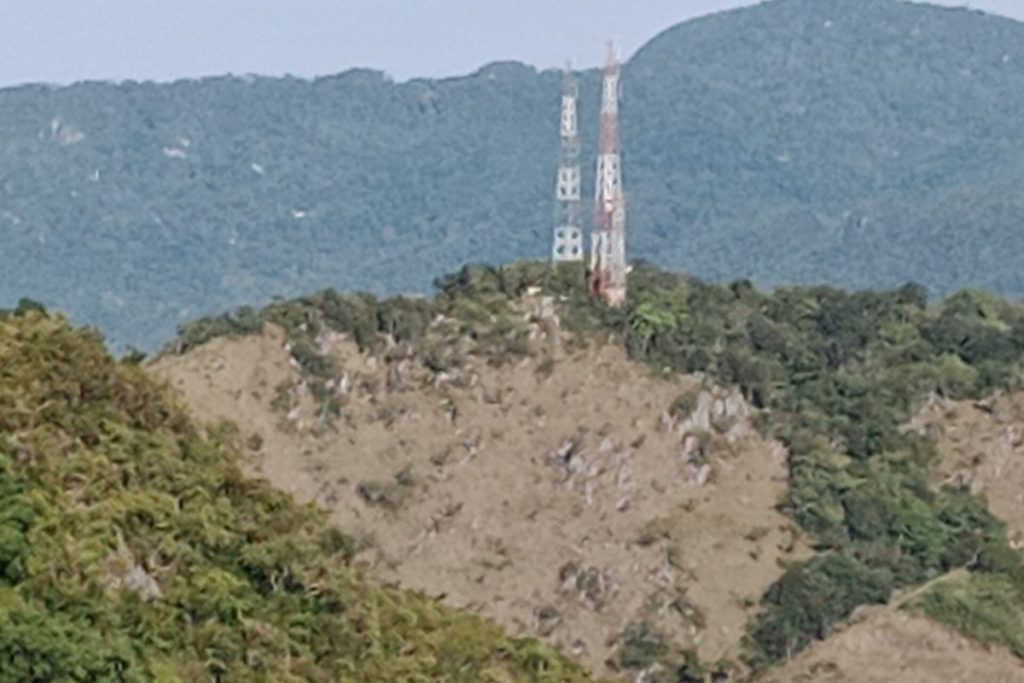
Field devices
They read the variable to be controlled and drive the connected actuators. They are chosen according to the measurement point, the variable to be detected and how they can be powered.
Nodes and repeaters
They carry the data where a direct link does not reach. Their position is the most delicate choice in the project: the coverage of the whole network depends on it.
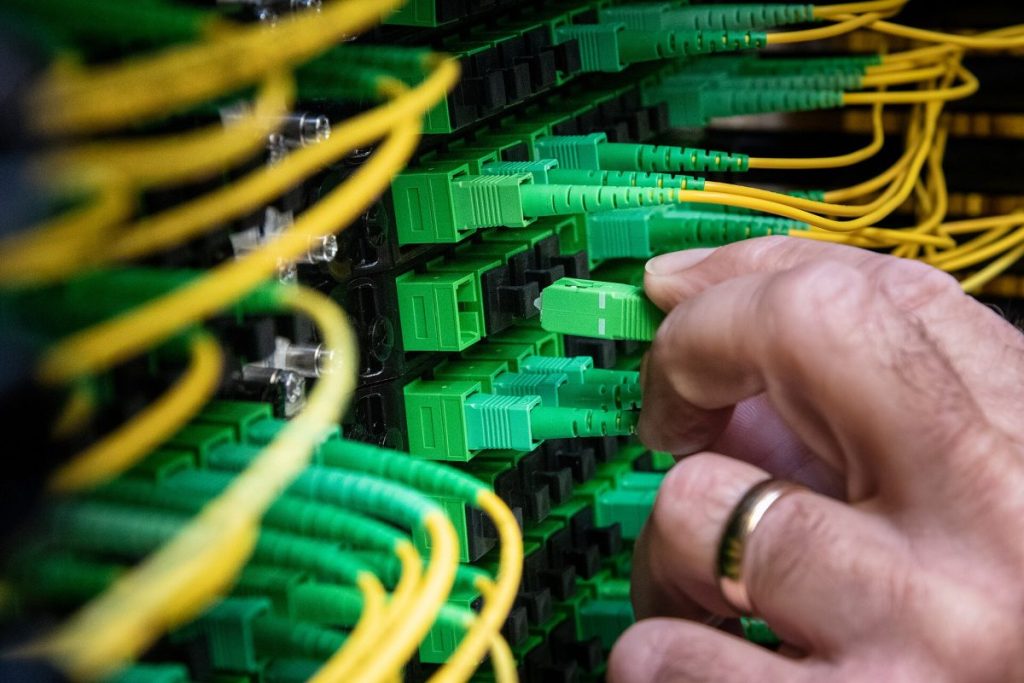
Supervision
It collects the measurements on dedicated web servers, organises them and makes them available for consultation. It is the point where the network becomes a working tool and not just a set of devices.
Method
The stages of the project
From site analysis to maintenance, with checks at every stage.
- Site survey and analysisWe check distances, obstacles and measurement points to understand how to cover the site.
- Network designWe define the architecture, the positioning of the devices and the communication arrangements.
- Installation and commissioningWe install and configure the devices and check communication with supervision.
- Maintenance and supportWe follow the network over time, with constant monitoring and intervention when necessary.
The site survey is not a formality: it is when you discover the constraints that are not visible on a drawing. A tree that will grow, a thick wall, a full electrical panel, a mandatory route: each of these details changes the configuration.
- Real distances between measurement points, not those on paper.
- Fixed and moving obstacles along the route.
- Availability of power at the installation points.
- Accessibility for routine maintenance.
- Coexistence with the systems already present.
The service
What it includes
A single service, from coverage to maintenance: the people who design the network are also the ones who install it and follow it over time.
- Study of coverage and choice of the most suitable configuration.
- Supply and installation of field devices.
- Configuration of supervision on dedicated web servers.
- Field checks and commissioning of the network.
- Maintenance and support over time.
Commissioning is the stage in which the network moves from theory to practice. Every device is verified on site: whether it communicates, whether the value it transmits matches the one read on the instrument, whether the position withstands the worst season.
Only after this check is the network left in operation, with supervision already configured and alerts set on the variables that matter for the plant.
Applications
Where it applies
Three recurring situations, very different from each other, in which a radio network is the most direct answer.
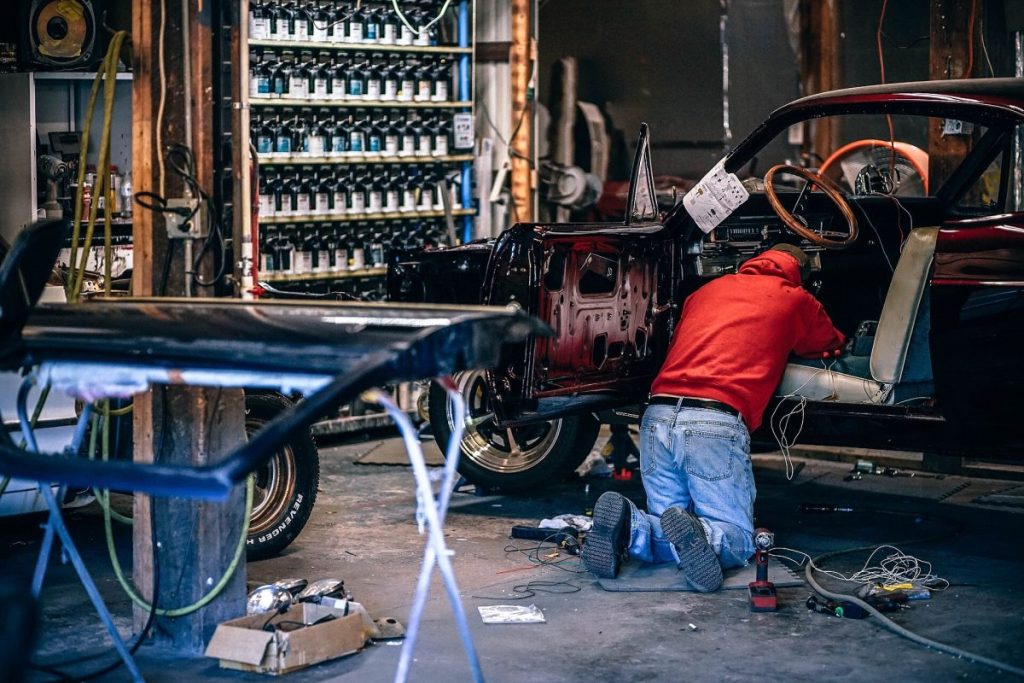
Industrial processes
Telemetry of machines, lines and distributed plants, with continuous data and prompt reporting of anomalies. Measurements follow the process and remain comparable over time.

Building automation and buildings
Centralised management of the devices present in the building, with remote actuators and sensor monitoring. Even the most distant technical systems stay in the same view.

Hard-to-reach sites
Measurement points far from the headquarters, covered by dedicated radio links with no cabling infrastructure: open areas, unworkable ground, temporary installations.
In the field
Between the road and the network
A radio network coexists with what is already there: power lines, buried cables, third-party systems. Knowing about them in advance is part of the project, not a surprise on site.
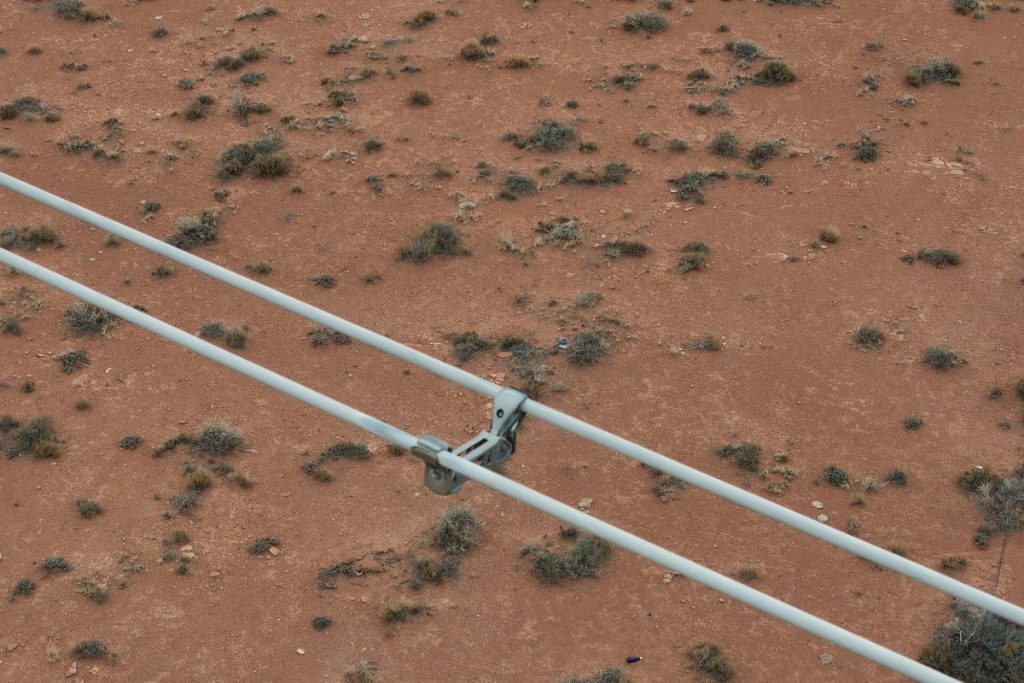
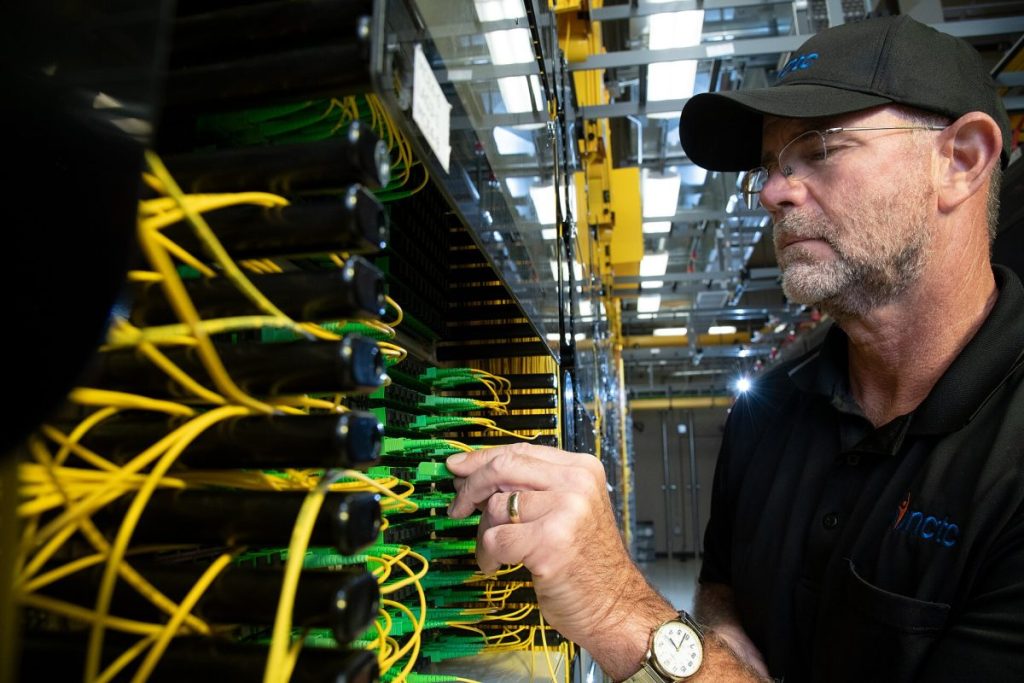
On routes shared with other infrastructure, positions and distances are chosen that take into account what is already installed. It is inconspicuous work, but it is what allows the network to operate without disturbing existing systems and without being disturbed.
Frequently asked questions
Questions about radio networks
How much does distance matter?
Communication is designed for up to 10 km. What really matters are the obstacles along the route: that is why coverage is assessed on site, not only on the straight-line distance.
What happens if a point remains isolated?
We consider an intermediate node acting as a bridge, or a different installation position for the device. The solution is decided at the design stage, when it is still simple to change it.
Does the network keep working if the external connection goes down?
Communication between field devices and supervision stays within the plant. The outward connection is for consultation from outside the premises and is assessed separately.
Can the network be expanded later?
Yes. Measurement points are added without rebuilding the plant: the structure stays the same and the new devices join the supervision already active.
Let’s check coverage together
Tell us where the measurement points are located: we will assess the most suitable radio network configuration.